


By Frank Sabatini Jr. | Restaurant Review
In a nod to one of the world’s most ancient and spiritual cities, restaurateur Harish Chopra gives us the ABCs of northern Indian cuisine, but tailored to modern appetites with recipes that are made as lean and quickly as possible.

The casual eatery, named Kasi, also marks the spot in India where the mythological Hindu goddess, Mother Pavati, reappeared after a fit of anger to nourish citizens after she left them starving. Nearly 4,000 years later, Kasi (or Varanasi) has become a magnet for philosophers, musicians and a kaleidoscope of street foods.
At Kasi the restaurant, however, the menu sticks to Indian dishes that are top sellers on U.S. soil, such as tikka masala, lentil-rich daal and spiced spinach puree known as saag. The recipes incorporate chicken, shrimp or paneer cheese as well as imported spices that are pulverized in-house, thus defying criticisms by some who have termed Kasi’s food as being too Americanized.
To them, I suggest ordering the dishes spicy. By default, they are much milder than their traditional counterparts. But once the cooks fold in ground hot-red peppers, also imported from the motherland, the beauty of Indian cuisine comes rushing at you in full force.
I’ve learned from a few visits that Kasi doesn’t use a heat scale per se. You simply ask for “spicy” or “a little spicy,” with the latter proving ferocious enough to blissfully inflame even the sturdiest of palates. Hot pepper spice is also kept on the tables, but as anyone familiar with Indian cuisine knows, the sparks taste more bewitching and complex when they’re added earlier on.
Chopra’s effort to make Indian food more accessible is evident in the low prices, not to mention a couple additional locations in Mission Valley and Carlsbad. With only 10 entrees available, customers can order one of them in a bowl for $6 or two as a combo plate for $8. The remaining option is the tandoori chicken platter featuring a hefty leg and thigh cooked in a traditional clay oven for $10. Each option comes with a choice of salad or basmati rice that was cooked to featherweight perfection in each visit.

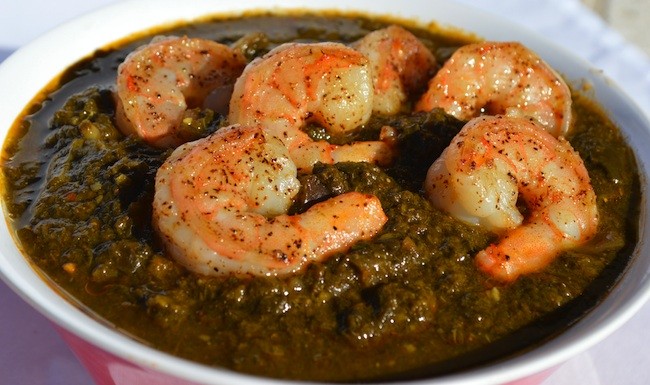
Chicken tikka masala features clean-cut cubes of breast meat cloaked in the only sauce at Kasi that uses a little cream. With tomato puree at its base, the flavors of turmeric, ginger and ground coriander were pleasingly detectable. The shrimp saag is equally stimulating and a notch spicier compared to saag found at lunch buffets where the primary flavor is cooked spinach.
Whole cumin seeds surface in raita (cucumber-yogurt dip), which demands an order of piping-hot naan bread on the side. I personally can’t eat one without the other. The raita also serves as an effective antidote for burning tongues, should you request the hot stuff in your meal. Conversely, the flakey house-made samosas filled with potatoes and peas were bland until dipping them into mint chutney, which alternated between meek and feisty on different visits.
Aloo gobi is a traditional medley of potatoes and cauliflower that takes on a yellowish tint from turmeric and mild curry powder in their batter. Compared to versions I’ve had at upscale Indian restaurants, this was cleaner and lighter.
“We have worked diligently to use the least amount of oils and grease in our food,” Chopra said, citing also Kasi’s recipe for daal, a stew of black lentils and kidney beans simmered in tomato-onion sauce. “Our daal and saag are less than 150 calories per serving.”
Perhaps it is the absence of excess oil and butters common to Indian recipes that have left a few critics feeling deprived. But most of the dishes I tried closely resembled those made at dinner parties by Indian hosts, where piles of multi-colored spices stood in eyeshot on the kitchen counter. The only big difference was that they didn’t serve the food on heavy paper plates or punch down the heat levels for their unsuspecting guests.
Kasi
3803 Fifth Ave. (Hillcrest)
619-295-8555
Prices: Sides, 95 cents to $3.50; entrees, $6 to $10


