


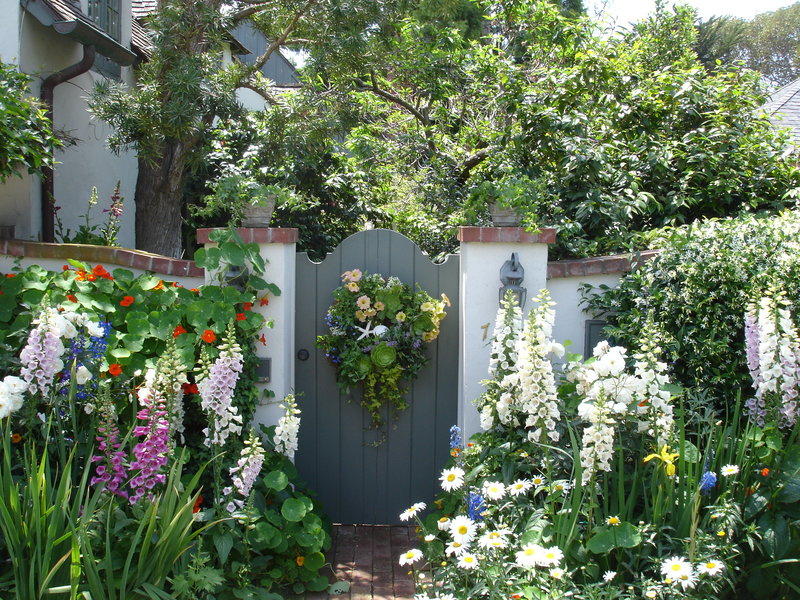
With all the wonderful rain we’ve received in recent weeks, I am eagerly planning my spring garden and dreaming about tall spikes of foxgloves, delphiniums and Shasta daisies. Now is a great time to clean garden beds and prepare your soil for planting. Each year I take out my rusty red wheel barrel and fill it with organic products, such as; blood meal, bone meal, earthworm castings and kelp meal and work it into the soil, all with the help of my trusty gardeners. Earthworm castings are one of my favorite natural fertilizers since it helps stimulate plant growth, increases your plant’s ability to retain water and makes them strong and healthy, so that they can ward off insect infestations, diseases, and fungal infections. The castings are filled with natural nitrates, phosphorus, magnesium, potassium and calcium, as well as a multitude of other minerals, and since they are naturally occurring elements, they will not burn your plants. When you purchase a bag of earthworm castings, the castings may also include earthworm eggs that will later hatch in your soil and add more worms to your garden, which will, in turn, add more castings to your soil and also aerate it. If you feel your garden is lacking from earthwork activity, there are many local sources that you can find online that sell earthworms to add to your garden soil. Blood and bone meal or any organic animal product fertilizers can burn plants, so read the packages and add the appropriate amounts for the size of your garden beds. Any organic ingredients you add to your soil will feed the earthworms that are already working there. By the middle to the end of February, it is time to feed your roses. For each rose, I use a cup of Aida Perry Mix that I purchase at Walter Anderson’s Nursery and mix it with 2 cups of earthworm castings. The following month, I add about a half cup of Epsom salt around the base of each rose and work it into the soil.
Another experiment I am working on is my meadow lawn. I only have two small strips of grass at the entrance to my garden gate and with the recent water restrictions, the grass looked terrible. Last year I purchased a bag of micro clover seeds and planted it over the grass. Sometimes, passersby ask me when I plan to take out the clover and I think they feel I am kidding when I tell them that I planted the clover on purpose. Clover has naturally occurring nitrogen in it and is resilient to dog urine. It requires less water than grass, stays a beautiful shade of green year-round and produces tiny white flowers. In the next few weeks, we are going to remove as much grass as possible and plant all micro clover.
Linda is a Realtor with Coldwell Banker, La Jolla. Her historic garden has been published in local and national magazines. Take a tour of Linda’s garden at www.LindaMarrone.com.


