


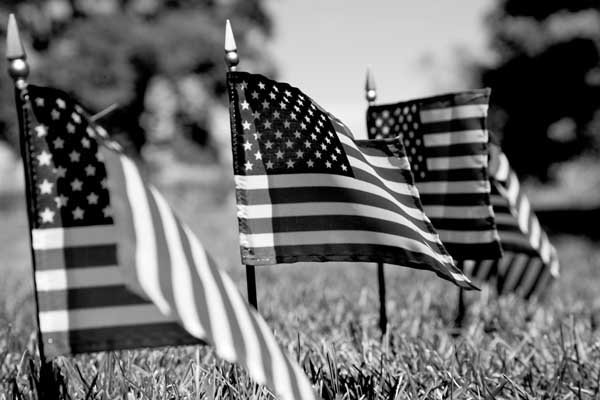
We bestow our thanks to all American veterans on Nov. 11 — a day once known as Armistice Day, which painted the war to end all wars as prophetically designed toward world peace. Since a dictator’s resurrection of armaments in the late 1930s, there has been little pause for peace. We’re confronted now with a fresh war [Iraq and Afghanistan] that has lasted 10 years. As we must, men and women are sent overseas for new conflicts in lands where people live under a different set of principles. Since World War II, the ranks of veterans have steadily grown. It’s become their job to keep terrorists from touching our shores. Let’s take time to comprehend the reasons we acknowledge this day. After World War II, many returning servicemen didn’t talk about their experiences. Their concerns were directed toward resumption of civilian life, or to find a job or go to school. Years later, maybe at reunions, they might retell war stories. Author/commentator Tom Brokaw referred to World War II veterans as members of the Great Generation. The generations since are just as important. Since World War II, the conflicts that followed produced new legions of veterans. Inexplicably, those who fought in Vietnam were ignored. Veterans’ hospitals are filled with the maimed, both physically and mentally. Let’s not forget them. As conflicts continue in Iraq, Afghanistan and other places, the prevalence of soldiers coming home with post-traumatic stress disorder (PTSD) becomes a major concern for our society. Veterans’ hospitals are overrun with these emergencies. Anywhere from 60 percent of veterans are diagnosed with PTSD. While the disease was first named in the aftermath of the Vietnam War, very little headway has been made toward treatment. In San Diego and Oceanside, veterans’ villages have been established to give continued assistance. They extend help to all needy and homeless veterans and to their families by providing housing, food, clothing, substance-abuse recovery and mental-health counseling, job training and job-placement services. Each year, San Diego conducts “stand down” days near San Diego City College to assist other at-risk veterans in need. Unemployment is a chief problem facing the United States as the country attempts to avoid mistakes of the Vietnam War era and ensure that post-9/11 veterans readjust to civilian life successfully. All levels of government — and a growing number of for-profit and nonprofit organizations — are trying to help former service members move from boots into suits. But they are fighting a nine percent national unemployment rate — 12 percent in California — and a flood of fresh out-of-work civilians as the military cuts its numbers after the peak of two wars. At 9.8 percent in August, unemployment among young veterans is higher than the national average. So, let’s take a deeper look at the reasons why we honor Veterans Day. — Johnny McDonald is a regular contributor and writer for the San Diego Community Newspaper Group.


