


Kiwanis pancake breakfast doubleheader
The Kiwanis Club of Grantville-Allied Gardens will be serving two “all the pancakes you can eat” pancake breakfast fundraisers on Saturday, Sept. 8 and Sunday, Sept. 9 at the Allied Gardens Recreation Center, 7–11 a.m. The Saturday breakfast will be held in conjunction with a rummage sale and the Sunday breakfast will be held in conjunction with Team Photo Day for the Crusader Soccer League.
All proceeds from these fundraisers will go to community and youth service projects. Tickets are available from Kiwanis members or at the door. Ticket prices are $7 for ages 16 and up, $4 for ages 6 to 15, kids under age 6 are free — and the price includes free refills on pancakes and coffee.
Every year, Kiwanis holds an event to raise the funds needed to support their community and youth services. The first Kiwanis pancake breakfast was held in 1968, a rummage sale was later added to the event which ended in 1988 when Kiwanis opened their first Christmas tree sales lot. The very successful Kiwanis Christmas tree lot operated for an amazing 28 years. We are now back to lifting pancake plates instead of Christmas trees.
All the user groups in the Allied Gardens Recreation Council have been invited to join us at the rummage sale on Saturday morning for their own fundraising efforts. The Sunday morning pancake breakfast will be in support of the Crusader Soccer League Team Photo Day. Over the years, Crusader Soccer has given thousands of local kids the opportunity to play the popular sport of soccer. World Cup excitement, anyone?
For more information about the Grantville-Allied Gardens Kiwanis, visit alliedgardenskiwanis.org.
Club de fútbol cruzados
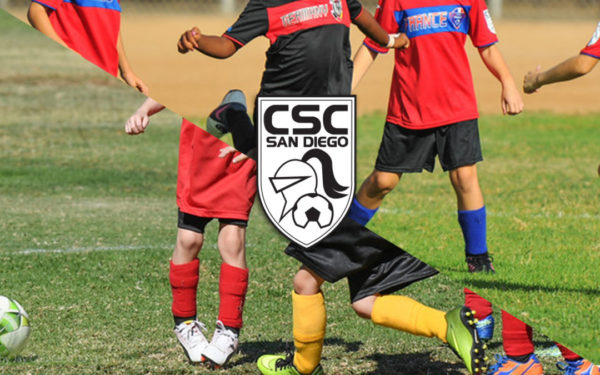
On Saturday, Sept. 8, the Crusaders Soccer Club (CSC) 2018 fall soccer season will begin with over 1,000 players on 103 teams on many of the fields in our community. There is a wait list for playing in the CSC fall program. There is no charge unless the child is placed on a team.
The CSC annual “recreational division individual and team photo day” will be at the Allied Gardens Recreation Center on Sunday, Sept. 9. The event is the second day of the Grantville-Allied Gardens Kiwanis Club’s pancake breakfast fundraising event that raises money for community service projects. A rummage sale on Sept. 8 kicks off the weekend events. Breakfast will be served starting at 8 a.m. both days.

Practice for the teams begins soon for children throughout the Navajo Community and players wearing their CSC T-shirts provided by recreation and competitive sponsor Jersey Mike’s Subs will be seen at various sports fields in the area.
This will be a challenging season for game and practice space through the middle of October due to the renovation of fields. Fortunately, the City of San Diego, through funds allocated by the Allied Gardens Recreation Council, is refurbishing three of the largest fields normally used by players for practices and games, and by schools as part of their physical education curriculum. Skunk Hollow, Lower Lewis and Dailard Elementary fields are receiving a much needed renovation. When completed, the community will have three very green, safe and healthy fields.
Crusaders Soccer recently experienced a break-in and a loss of soccer equipment similar to what has transpired at the Mission Trails and the San Carlos Little Leagues this year as well.
Throughout the summer, CSC is offering free Friday evening clinics at Pershing Middle School. Check their website at sandiegocrusaders.com for more information on all their programs.
Ciudad busca aportes para inversiones
La ciudad de San Diego está preparando su nuevo plan consolidado de cinco años para la asignación de fondos provistos por el Departamento de Vivienda y Desarrollo Urbano (HUD). El plan determinará cómo se dirigirán los fondos de HUD durante los años fiscales de 2020–2024.
Los funcionarios locales están solicitando la opinión de los residentes y organizarán una serie de foros en toda la ciudad en julio y agosto.
“Comprender las prioridades de las comunidades es fundamental para garantizar que San Diego aproveche los fondos federales para obtener el máximo beneficio posible”, dijo Erik Caldwell, director de desarrollo económico, en un comunicado de prensa.
Los programas que se discutirán incluyen el Subsidio en Bloque para el Desarrollo Comunitario (CDBG); Subvención de Soluciones de Emergencia (ESG); Programa de sociedades de inversión HOME; y Oportunidades de Vivienda para Personas con SIDA (HOPWA). Puede encontrar más información sobre las políticas en sandiego.gov/cdbg.
Para fechas y lugares del foro, visite bit.ly/SDforums. Una encuesta de necesidades de la comunidad también está disponible en bit.ly/SDCPEncuesta.
County looks to refund owed money
On July 12, the office San Diego County Treasurer-Tax Collector (TTC) Dan McAllister announced that the county has $441,000 in refunds to return to residents who overpaid taxes or have other unclaimed money.
“In the past, sadly, most of these refunds were never claimed. We are asking the public’s help to spread the word so we can get this money back to San Diegans,” McAllister said in a press release. “If you’ve done business with any county department, you may have money in your name.”
Refunds are broken into two lists: countywide unclaimed money and unclaimed property tax refunds. To see if your name is on the list of people owed money, visit sdttc.com. Residents who are owed money need to file a refund claim by Sept. 7, before the money is rolled into the county general fund. Email claims to [email protected]; for help, call toll free at 877-829-4732.
“Even if you’re not on the list this year, sign up for our ‘new unclaimed money’ e-notifications so you will get an email when we publish new refund lists,” McAllister said.
In the past five years, the TTC has refunded $480,000.
Current state law says countywide monies that are unclaimed for three years and property tax refunds that are unclaimed for four years must be turned over to the county’s general fund.
This year, the TTC has unclaimed refunds totaling $441,000. Unclaimed property tax refunds make up $161,000 of that amount, and $280,000 is from other county departments.
The smallest refund amount available is $10, and the largest refund amount is $22,720, owed to IME Holdings by the county’s Planning and Development Services.
2.5 millonésima libra de basura limpiada del río
In late June, volunteers from the San Diego River Park Foundation (SDRPF) reached a milestone it has “mixed feelings” about when it removed the 2.5 millionth pound of trash from the San Diego riverbed since the group’s river clean-up program was founded in 2001.
“Estamos impresionados y honrados por la dedicación de los miles de voluntarios, donantes y patrocinadores que contribuyeron a este logro”, dijo la directora asociada de SDRPF, Sarah Hutmacher, en un comunicado de prensa. “Pero la otra cara de la moneda de este increíble hito es que era necesario eliminar esta asombrosa cantidad de basura”.
Este año, cientos de miles de libras de basura ingresaron a los ecosistemas fluviales, de fuentes que incluyen escombros de aguas pluviales, basura, vertederos y campamentos para personas sin hogar. Según encuestas coordinadas por River Park Foundation en la primavera de 2018, el 82 por ciento de la basura en el lecho del río está relacionada con campamentos para personas sin hogar. Solo en los primeros seis meses de 2018, los voluntarios ya han retirado más de 160 000 libras de basura.
“Esta organización ha estado trabajando durante más de 17 años para lograr un río San Diego verdaderamente libre de basura”, dijo Rob Hutsel, presidente y director ejecutivo de SDRPF. “Todavía tenemos un largo camino por recorrer para lograr este noble objetivo, pero con el aumento de las asociaciones y el compromiso de nuestra comunidad este año, estamos más seguros que nunca de que veremos este objetivo cumplido”.
Este programa de limpieza del río cuenta con el apoyo de donaciones de la comunidad, así como de patrocinadores y donantes, entre ellos: la ciudad de San Diego, la Fundación de la Familia Dorrance, el Fondo de la Familia Hervey en la Fundación de San Diego, REI, Patagonia y Think Blue San Diego . Para obtener más información o ser voluntario, visite sandiegoriver.org.
SDG&E proposes more EV charging stations
San Diego Gas and Electric (SDG&E) proposed two new programs to the California Public Utilities Commission, which aim to build new electric vehicle chargers in public spaces around the city. One pilot aims to bring additional chargers to local parks and beaches; the other focuses on schools and educational institutions, including K-12 campuses, vocational schools, community colleges and universities.
The goal of this new project is to reduce local EV owners’ sense of “range anxiety” — the concern that your car battery will run out of power before reaching your destination or an available charging station — and to make it easier for drivers to switch to electric transportation.
“Our goal is to remove barriers for our customers when choosing an electric vehicle and incorporate charging into everyday life,” SDG&E Chief Operating Officer Caroline Winn said.
“Imagine the convenience of having your car recharged while you enjoy a hike in a park, take a walk on the beach, or watch your children’s athletic event at their school,” she continued.
The programs would prioritize placing chargers in communities that statistically suffer from high levels of air pollution. The American Lung Association rated San Diego’s air quality as sixth worst in the nation and gave the region an F for number of high ozone days annually.
SDG&E’s proposal builds on the growing momentum to accelerate electric vehicle adoption in California. Currently, SDG&E is implementing a half-dozen pilot programs to expand the regional charging network for a variety of vehicles, ranging from passenger vehicles to trucks and forklifts. For more information, visit SDGEnews.com.


