


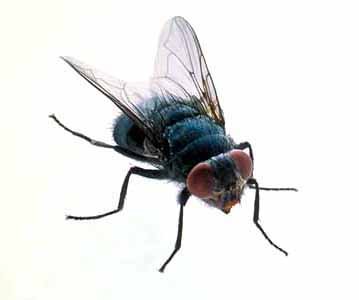
Re-instituting a second weekly city summertime trash pickup and creating a Community Benefit District, were among ideas vetted by stakeholders and city officials at a Mission Beach “Fly Summit” held June 8.
“This is the first – and hopefully our only – fly summit,” quipped John Vallas, small-business owner and spokesperson for Beautiful Mission Beach, a nonprofit committed to MB’s improvement.
Hosted by 2nd District Councilwoman Lorie Zapf, the summit brought together MB residents, businesses and city and government officials to discuss the significant – and intensifying – summer fly infestation problem.
Olive Cafe owner Sarah Mattinson said she and other local restaurateurs are at a loss to figure out how else to combat the pesky insects in Mission Beach, which she said was described by one of her customers as “Fly City USA.”
“In our mission statement it says our restaurant is cozy, but it’s hard to be cozy when flies are disturbing you, and it’s embarrassing from a business standpoint,” Mattinson said, noting she’s tried everything from adding lighting and fans to locking trash receptacles.
Mattinson said flies are hurting the restaurant business in numerous ways: inviting bad Yelp reviews, discouraging customer patronage, causing food to be sent back and re-prepared or packaged to be taken out, all of which add to business costs.
“My pest control bill has gone from $50 to $500 a month,” said Mattinson, adding, she’s “done everything possible” to stem the problem.
Mission Beach Town Council vice president Gary Wonacott said the beach community’s fly infestation situation “has been worsening since 2010” adding he was told by a health inspector that “this was one of the worst fly infestation’s they’d seen in an urban area.”
A city effort to educate the community about ways to combat flies in 2015 “wasn’t very successful,” said Wonacott.
“We still had a huge fly infestation in spite of that,” he said, pointing out real progress won’t be made until the source of the infestation, garbage, is adequately addressed.
Wonacott blamed a previous cutback from twice to once-weekly summertime trash pickup, use of heat-absorbing black cans, unlidded, unlocked and/or cracked or damaged receptacles, as well as dumpster “scavenging” for contributing to the fly infestation problem.
Some of the “fixes” are simple, like putting trash in shaded areas. Wonacott noted direct sunlight can increase temperatures as much as 15 to 20 degrees inside cans, which hastens flies’ life cyle.
Chris Conlan, supervising ecologist for the County Department of Environmental Health, discussed the fly life cycle noting it needed to be “interrupted” by cleansing and numerous other methods, to minimize the fly infestation. He said flies can go from eggs to adults in just a week under ideal breeding conditions.
Zapf said city attorney Jan Goldsmith has determined there is “no legal impediment” to adding a second trash pickup weekly in MB during the hectic summer season. However, Zapf pointed out the law requires that a “rationale for preferential treatment” is required in order to secure an extra trash-pickup day.
Vallas discussed creation of a CBD, wherein Mission Beach residents and businesses would vote to create a new special district to tax themselves to pay for community improvements including more trash pickup and fly eradication. He argued MB needs to do this in order to “control its own destiny,” and to accomplish goals like mitigating flies, cleaning alleys and doing beautification projects.
“One hundred percent of funds from such a district would stay in Mission Beach,” Vallas said, adding, “It’s a long-term opportunity for the community to come together.”


