


Downtown Drink Shrink | Adam Stemmler

There is no such thing as a bad tequila experience; there is only experience with bad tequila. If this is contrary to your college years that included hangovers so rough you swore off tequila forever, let me be the first to tell you there was nothing special about that bottle of “especial” tequila you were drinking. If you introduced a store bought margarita mix loaded with corn syrup and sodium benzoate into the drinking equation, serious insult to injury was added.
So what really makes any given brand of tequila good, then? Knowing a few things about the 60 plus variables in the production process can enrich your experiences as a consumer and save you money in the long run. Here is everything you wanted to know about tequila that you never learned from disingenuous advertising campaigns or the lyrics of really terrible music.
To fully appreciate the scope of color that Tequila so beautifully illustrates, we must first go back centuries to the indigenous people of Mexico and their cultural practices. Tribes from North and South were using various species of agave plants for many purposes. The top layer from certain agaves were peeled off and used as paper. The pointed tips of leaves and their attached fibers were used as needle and thread for sewing. The production of pulque, a fermented alcoholic drink made from agave nectar, is most important to understanding tequila because fermentation is the precursor of distillation.
The Spanish arrived in the early 16th century, and due to their knowledge of condensing and purifying alcohol via distillation, it was not long until various distillates from all types of agaves become commonplace.
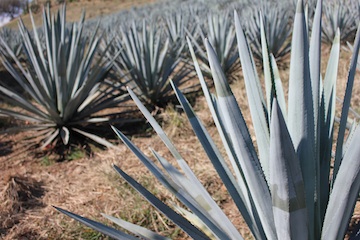
Today the term “tequila” legally means many things. At its core, tequila is a term that can only be used for Blue Webber-based spirits (one of over 240 species of agaves worldwide) that are grown, distilled and bottled within five designated regions in Mexico: the entire state of Jalisco and parts of Guanajuato, Michoacán, Nayarit and Tamaulipas states.
When purchasing tequila, the most important variable is always choosing a brand that says 100 percent agave on the label. If this is not clearly stated, you are drinking “Mixto” tequila that can legally have up to 49 percent of its sugars coming from any source, including corn syrup. Aside from sparring you a gut-wrenching hangover, pure agave tequilas simply taste better. Purchasing 100 percent agave tequila also creates jobs in the agave fields of Mexico.
Production methods have huge impact on the resulting flavor of what you are drinking. The natural terrain of where the agave is sourced is the first factor. Cooking in brick and clay ovens versus using metal autoclaves can also change the character of the final product. Machines known as diffusers are now being used by many of the larger distilleries. Instead of slow cooking whole agaves and then extracting their juices, producers put whole, raw agaves into a machine that shreds the fibers and extracts and cooks the raw juice.
The crushed agave is washed with water and fermented with yeasts in steel, wood or concrete. All of these variances have influence. Once the fermentation process ends, the “musto muerto,” or dead must, is then distilled. Tequila is traditionally double distilled in copper or steel pots, but some companies are now triple-distilling or using column stills that are common in the production of vodka and other neutral spirits.
The liquid that comes out of the still is known as blanco, silver, platinum or crystal tequila, and legally it must go into a bottle within 60 days. Although most silver tequilas are not aged, some companies choose to store their blanco in oak barrels before bottling. Tequila that is aged in oak barrels longer than 60 days can be called reposado, as long as it does not surpass one year. One- to three-year-aged tequila is referred to as anejo.
Although used whiskey and bourbon barrels are generally industry standard, some brands are using newer, French oak for their aged tequilas. Oak lends softness and removes some astringency you find in blanco tequila, as well as flavors the distillate with natural vanillin and tannins.
You now have a new understanding of this beautifully complex spirit and need the proper playground to go and explore. Thankfully, there is a staple in the Gaslamp Quarter that gives you the perfect platform to start this journey. La Puerta (560 Fourth Ave.) runs a half-price drink special for all drinks, including their tequilas. Their friendly and knowledgeable staff will guide you through their menu of over 100 tequilas and facilitate your path in becoming a true aficionado.
Be careful, though. Tequila can be a slippery slope to mezcal, sotol, traveling, learning a new language, experiencing foreign cuisine, making friends with strangers and appreciating other cultures; all the best things in life, if you ask me.


