• en_US
  • es_MX
  • Sobre nosotros
domingo, diciembre 14, 2025
Sin resultados
Ver todos los resultados

  • Historias destacadas
  • Noticias
  • Características
  • Opinión
  • Educación
  • Arte y entretenimiento
  • Deportes
  • Directorio de negocios
  • Asesoramiento de expertos
  • Bienes raíces
  • Historias destacadas
  • Noticias
  • Características
  • Opinión
  • Educación
  • Arte y entretenimiento
  • Deportes
  • Directorio de negocios
  • Asesoramiento de expertos
  • Bienes raíces
  • Historias destacadas
  • Noticias
  • Características
  • Opinión
  • Educación
  • Arte y entretenimiento
  • Deportes
  • Directorio de negocios
  • Asesoramiento de expertos
  • Bienes raíces
  • Historias destacadas
  • Noticias
  • Características
  • Opinión
  • Educación
  • Arte y entretenimiento
  • Deportes
  • Directorio de negocios
  • Asesoramiento de expertos
  • Bienes raíces
  • Historias destacadas
  • Noticias
  • Características
  • Opinión
  • Educación
  • Arte y entretenimiento
  • Deportes
  • Directorio de negocios
  • Asesoramiento de expertos
  • Bienes raíces
  • Historias destacadas
  • Noticias
  • Características
  • Opinión
  • Educación
  • Arte y entretenimiento
  • Deportes
  • Directorio de negocios
  • Asesoramiento de expertos
  • Bienes raíces
  • Historias destacadas
  • Noticias
  • Características
  • Opinión
  • Educación
  • Arte y entretenimiento
  • Deportes
  • Directorio de negocios
  • Asesoramiento de expertos
  • Bienes raíces
  • Historias destacadas
  • Noticias
  • Características
  • Opinión
  • Educación
  • Arte y entretenimiento
  • Deportes
  • Directorio de negocios
  • Asesoramiento de expertos
  • Bienes raíces
  • Historias destacadas
  • Noticias
  • Características
  • Opinión
  • Educación
  • Arte y entretenimiento
  • Deportes
  • Directorio de negocios
  • Asesoramiento de expertos
  • Bienes raíces
  • Publicaciones
  • Directorio de negocios
  • Sobre nosotros
  • Contáctenos
  • Escritores del personal
  • Suscripciones/Soporte
  • Historias destacadas
  • Noticias
  • Características
  • Opinión
  • Educación
  • Arte y entretenimiento
  • Deportes
  • Directorio de negocios
  • Asesoramiento de expertos
  • Bienes raíces
  • Historias destacadas
  • Noticias
  • Características
  • Opinión
  • Educación
  • Arte y entretenimiento
  • Deportes
  • Directorio de negocios
  • Asesoramiento de expertos
  • Bienes raíces
  • Historias destacadas
  • Noticias
  • Características
  • Opinión
  • Educación
  • Arte y entretenimiento
  • Deportes
  • Directorio de negocios
  • Asesoramiento de expertos
  • Bienes raíces
  • Historias destacadas
  • Noticias
  • Características
  • Opinión
  • Educación
  • Arte y entretenimiento
  • Deportes
  • Directorio de negocios
  • Asesoramiento de expertos
  • Bienes raíces
  • Historias destacadas
  • Noticias
  • Características
  • Opinión
  • Educación
  • Arte y entretenimiento
  • Deportes
  • Directorio de negocios
  • Asesoramiento de expertos
  • Bienes raíces
  • Historias destacadas
  • Noticias
  • Características
  • Opinión
  • Educación
  • Arte y entretenimiento
  • Deportes
  • Directorio de negocios
  • Asesoramiento de expertos
  • Bienes raíces
  • Historias destacadas
  • Noticias
  • Características
  • Opinión
  • Educación
  • Arte y entretenimiento
  • Deportes
  • Directorio de negocios
  • Asesoramiento de expertos
  • Bienes raíces
  • Historias destacadas
  • Noticias
  • Características
  • Opinión
  • Educación
  • Arte y entretenimiento
  • Deportes
  • Directorio de negocios
  • Asesoramiento de expertos
  • Bienes raíces
  • Historias destacadas
  • Noticias
  • Características
  • Opinión
  • Educación
  • Arte y entretenimiento
  • Deportes
  • Directorio de negocios
  • Asesoramiento de expertos
  • Bienes raíces
  • Informe de noticias
SDNews.com
Casa Beach & Bay Press

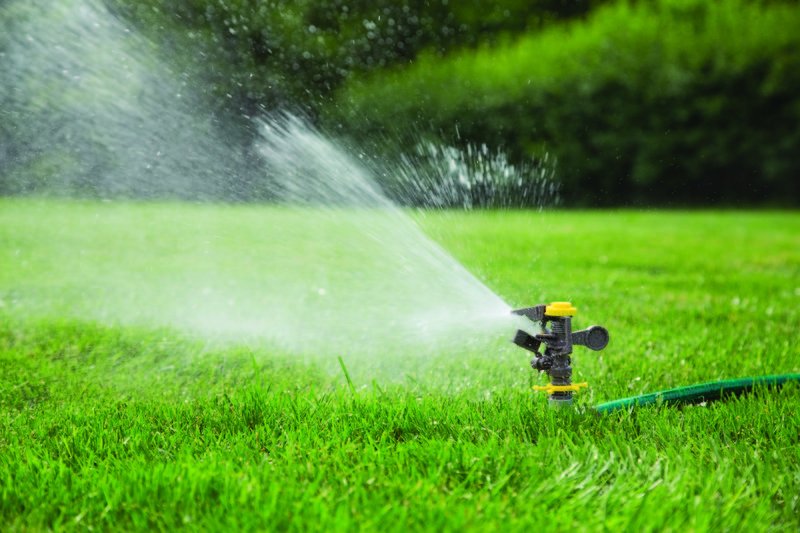
Después de tres años consecutivos de sequía, la ciudad emitió una alerta de Nivel 1 para que los ciudadanos participen voluntariamente en las medidas de conservación del agua, que incluyen no regar el césped más de tres días a la semana y regar el césped o lavar los vehículos solo antes de las 10 a. m. o después de las 6 de la mañana. pm durante los meses de verano. California está sumida en una sequía prolongada y San Diego no es una excepción. Notando que el promedio anual de lluvia de San Diego registrado en la estación de medición oficial en Lindbergh Field es de 10,34 pulgadas, el pronosticador del Servicio Meteorológico Nacional Jimmy Taeger dijo que la cantidad de lluvia para 2013-14, que finalizó el 30 de junio, fue de 5,06 pulgadas. Taeger dijo que los niveles de lluvia el año anterior en 2012-13 fueron de 6,51 pulgadas y 8,03 pulgadas el año anterior en 2011-12. El pronosticador dijo que hay que volver a 2010-11 para encontrar el último año en que la precipitación fue igual o superior a lo normal, con 12,62 pulgadas ese año. Los cambios recientes a las regulaciones de agua de emergencia de la ciudad han establecido nuevas restricciones en el uso del agua, además de intensificar la aplicación y las sanciones. Todo desperdicio de agua está prohibido en el Código Municipal de San Diego. Desperdiciar agua es ilegal en todo momento, incluso cuando no hay niveles de respuesta a la sequía en vigor. Cualquier violación de las restricciones de uso del agua asociadas con los niveles de respuesta a la sequía también se trata como desperdicio de agua. La ciudad puede sancionar a aquellos que continúan desperdiciando agua con una serie de sanciones cada vez mayores que pueden incluir el corte del servicio de agua. Cuando los clientes continúan desperdiciando agua después de ser contactados por el personal de conservación del Departamento de Servicios Públicos, el Departamento de Cumplimiento de Códigos de la ciudad puede intervenir. o el investigador de desechos de agua diseñará una respuesta adecuada. Los oficiales encargados de hacer cumplir el código tienen una variedad de recursos para ayudar a garantizar el cumplimiento, incluida la emisión de una carta de advertencia, citaciones administrativas que van desde $100 a $1,000, sanciones civiles de hasta $2,500 por día por violaciones, remisión a la Oficina del Fiscal de la Ciudad para o enjuiciamiento criminal y cierre del servicio de agua. El 15 de julio, la Junta de Control de Recursos Hídricos de California votó para imponer restricciones obligatorias en el uso del agua en todo el estado en respuesta a la sequía en curso en California. Para San Diego, sin embargo, las restricciones obligatorias permanentes de uso de agua vigentes desde 2009 ya cumplen con elementos de los requisitos exigidos por el estado. Como resultado, la regulación del estado no requiere que la ciudad haga cambios a sus regulaciones de agua de emergencia, pero debe servir como un recordatorio para todos los habitantes de San Diego de que usar el agua de manera eficiente y cumplir con las restricciones de uso de agua actuales de la ciudad es importante para ayudar conservar agua durante esta severa condición de sequía. “Quiero agradecer a los habitantes de San Diego, quienes durante años han hecho un tremendo trabajo dando un paso al frente para incorporar la conservación del agua en su estilo de vida”, dijo el alcalde Kevin Faulconer. “Este verano, mientras vemos subir las temperaturas, debemos seguir siendo conscientes de la actual situación de sequía y adherirnos diariamente a las restricciones permanentes de uso de agua de la ciudad”, dijo. La ciudad continuará revisando la decisión del estado y monitoreará las condiciones de sequía en todo el estado para determinar si es necesario algún cambio en su nivel de respuesta a la sequía. El enfoque de la ciudad por ahora será reducir el desperdicio de agua al educar a los residentes sobre cómo cumplir con las restricciones a través de la educación en lugar de un sistema de cumplimiento mejorado centrado en las multas.

Tech por tecnología
julio 23, 2014
en Beach & Bay Press, Noticias
Tiempo de leer: 3 minutos de lectura
0 0
A A
0
After three successive years of drought, the city has issued a Level 1 alert calling for citizens to voluntarily participate in water-conservation measures, including not watering lawns more than three days a week and watering lawns or washing vehicles only before 10 a.m. or after 6 p.m. during summer months. California is mired in a long-term drought, and San Diego is no exception. Noting San Diego’s annual rainfall average recorded at the official measurement station at Lindbergh Field is 10.34 inches, National Weather Service forecaster Jimmy Taeger said the rainfall amount for 2013-14, which ended June 30, was 5.06 inches. Taeger said rainfall levels the previous year in 2012-13 were 6.51 inches and 8.03 inches the year before that in 2011-12. The forecaster said you have to go back to 2010-11 to find the last year when rainfall was at or above normal, with 12.62 inches that year. Recent changes to the city’s emergency water regulations have established new restrictions on water use, as well as stepping up enforcement and penalties. All water waste is prohibited in the San Diego Municipal Code. Wasting water is illegal at all times, even when no drought-response levels are in effect. Any violations of the water-use restrictions associated with drought-response levels are also treated as water waste. The city may penalize those who continue to waste water with an escalating series of penalties up to and including shutting off water service. When customers continue to waste water after being contacted by the Public Utilities Department’s conservation staff, the city's Code Enforcement Department can step in. Should a customer refuse to stop overwatering, fail to repair a leak or continue other water waste, a code-enforcement officer or water-waste investigator will fashion an appropriate response. Code-enforcement officers have a variety of remedies to help ensure compliance, including issuing a warning letter, administrative citations ranging from $100 to $1,000, civil penalties up to $2,500 per day for violations, referral to the City Attorney’s Office for civil or criminal prosecution and shutoff of water service. On July 15, California’s Water Resources Control Board voted to impose mandatory water-use restrictions statewide in response to California’s ongoing drought. For San Diego, however, permanent mandatory water-use restrictions in place since 2009 already meet elements of the requirements mandated by the state. As a result, the state’s regulation does not require the city to make changes to its emergency water regulations but should serve as a reminder to all San Diegans that using water efficiently, and in compliance with the city’s current water use restrictions, are important to help conserve water during this severe drought condition. "I want to thank San Diegans, who for years have done a tremendous job of stepping up to the plate to incorporate water conservation into their way of life," said Mayor Kevin Faulconer. "This summer, as we see temperatures climb, we must continue to be mindful of the current drought situation by adhering daily to the city’s permanent water use restrictions," he said. The city will continue to review the state’s decision and monitor the drought conditions throughout the state to determine if any changes to its drought response level are necessary. The city’s focus for now will be to reduce water waste by educating residents on how to comply with the restrictions through education rather than an enhanced enforcement system focused on fines.
0
COMPARTE
9
PUNTOS DE VISTA
After three successive years of drought, the city has issued a Level 1 alert calling for citizens to voluntarily participate in water-conservation measures, including not watering lawns more than three days a week and watering lawns or washing vehicles only before 10 a.m. or after 6 p.m. during summer months. California is mired in a long-term drought, and San Diego is no exception. Noting San Diego’s annual rainfall average recorded at the official measurement station at Lindbergh Field is 10.34 inches, National Weather Service forecaster Jimmy Taeger said the rainfall amount for 2013-14, which ended June 30, was 5.06 inches. Taeger said rainfall levels the previous year in 2012-13 were 6.51 inches and 8.03 inches the year before that in 2011-12. The forecaster said you have to go back to 2010-11 to find the last year when rainfall was at or above normal, with 12.62 inches that year. Recent changes to the city’s emergency water regulations have established new restrictions on water use, as well as stepping up enforcement and penalties. All water waste is prohibited in the San Diego Municipal Code. Wasting water is illegal at all times, even when no drought-response levels are in effect. Any violations of the water-use restrictions associated with drought-response levels are also treated as water waste. The city may penalize those who continue to waste water with an escalating series of penalties up to and including shutting off water service. When customers continue to waste water after being contacted by the Public Utilities Department’s conservation staff, the city's Code Enforcement Department can step in. Should a customer refuse to stop overwatering, fail to repair a leak or continue other water waste, a code-enforcement officer or water-waste investigator will fashion an appropriate response. Code-enforcement officers have a variety of remedies to help ensure compliance, including issuing a warning letter, administrative citations ranging from $100 to $1,000, civil penalties up to $2,500 per day for violations, referral to the City Attorney’s Office for civil or criminal prosecution and shutoff of water service. On July 15, California’s Water Resources Control Board voted to impose mandatory water-use restrictions statewide in response to California’s ongoing drought. For San Diego, however, permanent mandatory water-use restrictions in place since 2009 already meet elements of the requirements mandated by the state. As a result, the state’s regulation does not require the city to make changes to its emergency water regulations but should serve as a reminder to all San Diegans that using water efficiently, and in compliance with the city’s current water use restrictions, are important to help conserve water during this severe drought condition. "I want to thank San Diegans, who for years have done a tremendous job of stepping up to the plate to incorporate water conservation into their way of life," said Mayor Kevin Faulconer. "This summer, as we see temperatures climb, we must continue to be mindful of the current drought situation by adhering daily to the city’s permanent water use restrictions," he said. The city will continue to review the state’s decision and monitor the drought conditions throughout the state to determine if any changes to its drought response level are necessary. The city’s focus for now will be to reduce water waste by educating residents on how to comply with the restrictions through education rather than an enhanced enforcement system focused on fines.

Después de tres años consecutivos de sequía, la ciudad emitió una alerta de Nivel 1 para que los ciudadanos participen voluntariamente en las medidas de conservación del agua, que incluyen no regar el césped más de tres días a la semana y regar el césped o lavar los vehículos solo antes de las 10 a. m. o después de las 6 de la mañana. pm durante los meses de verano.
California está sumida en una sequía prolongada y San Diego no es una excepción. Notando que el promedio anual de lluvia de San Diego registrado en la estación de medición oficial en Lindbergh Field es de 10,34 pulgadas, el pronosticador del Servicio Meteorológico Nacional Jimmy Taeger dijo que la cantidad de lluvia para 2013-14, que finalizó el 30 de junio, fue de 5,06 pulgadas. Taeger dijo que los niveles de lluvia el año anterior en 2012-13 fueron de 6,51 pulgadas y 8,03 pulgadas el año anterior en 2011-12. El pronosticador dijo que hay que volver a 2010-11 para encontrar el último año en que la precipitación fue igual o superior a lo normal, con 12,62 pulgadas ese año.
Los cambios recientes a las regulaciones de agua de emergencia de la ciudad han establecido nuevas restricciones en el uso del agua, además de intensificar la aplicación y las sanciones.
Todo desperdicio de agua está prohibido en el Código Municipal de San Diego. Desperdiciar agua es ilegal en todo momento, incluso cuando no hay niveles de respuesta a la sequía en vigor. Cualquier violación de las restricciones de uso del agua asociadas con los niveles de respuesta a la sequía también se trata como desperdicio de agua.
La ciudad puede sancionar a aquellos que continúan desperdiciando agua con una serie de sanciones cada vez mayores que pueden incluir el corte del servicio de agua. Cuando los clientes continúan desperdiciando agua después de ser contactados por el personal de conservación del Departamento de Servicios Públicos, el Departamento de Cumplimiento de Códigos de la ciudad puede intervenir.
Si un cliente se niega a dejar de regar en exceso, no repara una fuga o continúa con otros desperdicios de agua, un oficial de cumplimiento de códigos o un investigador de desperdicios de agua diseñará una respuesta apropiada.
Los oficiales encargados de hacer cumplir el código tienen una variedad de recursos para ayudar a garantizar el cumplimiento, incluida la emisión de una carta de advertencia, citaciones administrativas que van desde $100 a $1,000, sanciones civiles de hasta $2,500 por día por violaciones, remisión a la Oficina del Fiscal de la Ciudad para o persecución penal y corte del servicio de agua.,
El 15 de julio, la Junta de Control de Recursos Hídricos de California votó para imponer restricciones obligatorias en el uso del agua en todo el estado en respuesta a la sequía en curso en California. Para San Diego, sin embargo, las restricciones obligatorias permanentes de uso de agua vigentes desde 2009 ya cumplen con elementos de los requisitos exigidos por el estado.
Como resultado, la regulación del estado no requiere que la ciudad haga cambios a sus regulaciones de agua de emergencia, pero debe servir como un recordatorio para todos los habitantes de San Diego de que usar el agua de manera eficiente y cumplir con las restricciones de uso de agua actuales de la ciudad es importante para ayudar conservar agua durante esta severa condición de sequía.
“Quiero agradecer a los habitantes de San Diego, quienes durante años han hecho un tremendo trabajo dando un paso al frente para incorporar la conservación del agua en su estilo de vida”, dijo el alcalde Kevin Faulconer. “Este verano, mientras vemos subir las temperaturas, debemos seguir siendo conscientes de la actual situación de sequía y adherirnos diariamente a las restricciones permanentes de uso de agua de la ciudad”, dijo.
La ciudad continuará revisando la decisión del estado y monitoreará las condiciones de sequía en todo el estado para determinar si es necesario algún cambio en su nivel de respuesta a la sequía. Mientras tanto, el enfoque de la ciudad será reducir el desperdicio de agua al educar a los residentes sobre cómo cumplir con las restricciones a través de la educación en lugar de un sistema de cumplimiento mejorado centrado en las multas. Algunos consejos útiles para conservar el agua:
• Revise los grifos, las tuberías y los inodoros en busca de fugas.
• Plante céspedes, arbustos y plantas resistentes a la sequía.
• Ponga una capa de mantillo alrededor de árboles y plantas.
• Riegue durante las primeras o últimas horas del día.
• No deje correr la manguera mientras lava su auto.
• Use una escoba, no una manguera, para limpiar entradas de vehículos y aceras.

Publicación anterior

El grupo de ordenanza aprueba los planes de diseño del teatro Boffo, la expansión de la terraza de George

Publicación siguiente

tradiciones, tradiciones

Tech

tecnología

Relacionados Publicaciones

A red wood gavel
Noticias

Avanza el juicio por asesinato por apuñalamiento en North Park

por Neal Putnam
7 de mayo de 2023
sdsu housing
Noticias de Mission Valley - Noticias

Seleccionan desarrollador para el primer proyecto de vivienda asequible en SDSU Mission Valley

por Personal de SDNEWS
12 de abril de 2023
balboapark
Noticias del centro

Noticias breves de abril de San Diego y sus alrededores

por Personal de SDNEWS
11 de abril de 2023
After three successive years of drought, the city has issued a Level 1 alert calling for citizens to voluntarily participate in water-conservation measures, including not watering lawns more than three days a week and watering lawns or washing vehicles only before 10 a.m. or after 6 p.m. during summer months. California is mired in a long-term drought, and San Diego is no exception. Noting San Diego’s annual rainfall average recorded at the official measurement station at Lindbergh Field is 10.34 inches, National Weather Service forecaster Jimmy Taeger said the rainfall amount for 2013-14, which ended June 30, was 5.06 inches. Taeger said rainfall levels the previous year in 2012-13 were 6.51 inches and 8.03 inches the year before that in 2011-12. The forecaster said you have to go back to 2010-11 to find the last year when rainfall was at or above normal, with 12.62 inches that year. Recent changes to the city’s emergency water regulations have established new restrictions on water use, as well as stepping up enforcement and penalties. All water waste is prohibited in the San Diego Municipal Code. Wasting water is illegal at all times, even when no drought-response levels are in effect. Any violations of the water-use restrictions associated with drought-response levels are also treated as water waste. The city may penalize those who continue to waste water with an escalating series of penalties up to and including shutting off water service. When customers continue to waste water after being contacted by the Public Utilities Department’s conservation staff, the city's Code Enforcement Department can step in. Should a customer refuse to stop overwatering, fail to repair a leak or continue other water waste, a code-enforcement officer or water-waste investigator will fashion an appropriate response. Code-enforcement officers have a variety of remedies to help ensure compliance, including issuing a warning letter, administrative citations ranging from $100 to $1,000, civil penalties up to $2,500 per day for violations, referral to the City Attorney’s Office for civil or criminal prosecution and shutoff of water service. On July 15, California’s Water Resources Control Board voted to impose mandatory water-use restrictions statewide in response to California’s ongoing drought. For San Diego, however, permanent mandatory water-use restrictions in place since 2009 already meet elements of the requirements mandated by the state. As a result, the state’s regulation does not require the city to make changes to its emergency water regulations but should serve as a reminder to all San Diegans that using water efficiently, and in compliance with the city’s current water use restrictions, are important to help conserve water during this severe drought condition. "I want to thank San Diegans, who for years have done a tremendous job of stepping up to the plate to incorporate water conservation into their way of life," said Mayor Kevin Faulconer. "This summer, as we see temperatures climb, we must continue to be mindful of the current drought situation by adhering daily to the city’s permanent water use restrictions," he said. The city will continue to review the state’s decision and monitor the drought conditions throughout the state to determine if any changes to its drought response level are necessary. The city’s focus for now will be to reduce water waste by educating residents on how to comply with the restrictions through education rather than an enhanced enforcement system focused on fines.
Noticias del centro

Ayuntamiento: El mayor propietario de viviendas de Estados Unidos aumenta el alquiler y desaloja a los inquilinos en SD

por Juri Kim
10 de abril de 2023
After three successive years of drought, the city has issued a Level 1 alert calling for citizens to voluntarily participate in water-conservation measures, including not watering lawns more than three days a week and watering lawns or washing vehicles only before 10 a.m. or after 6 p.m. during summer months. California is mired in a long-term drought, and San Diego is no exception. Noting San Diego’s annual rainfall average recorded at the official measurement station at Lindbergh Field is 10.34 inches, National Weather Service forecaster Jimmy Taeger said the rainfall amount for 2013-14, which ended June 30, was 5.06 inches. Taeger said rainfall levels the previous year in 2012-13 were 6.51 inches and 8.03 inches the year before that in 2011-12. The forecaster said you have to go back to 2010-11 to find the last year when rainfall was at or above normal, with 12.62 inches that year. Recent changes to the city’s emergency water regulations have established new restrictions on water use, as well as stepping up enforcement and penalties. All water waste is prohibited in the San Diego Municipal Code. Wasting water is illegal at all times, even when no drought-response levels are in effect. Any violations of the water-use restrictions associated with drought-response levels are also treated as water waste. The city may penalize those who continue to waste water with an escalating series of penalties up to and including shutting off water service. When customers continue to waste water after being contacted by the Public Utilities Department’s conservation staff, the city's Code Enforcement Department can step in. Should a customer refuse to stop overwatering, fail to repair a leak or continue other water waste, a code-enforcement officer or water-waste investigator will fashion an appropriate response. Code-enforcement officers have a variety of remedies to help ensure compliance, including issuing a warning letter, administrative citations ranging from $100 to $1,000, civil penalties up to $2,500 per day for violations, referral to the City Attorney’s Office for civil or criminal prosecution and shutoff of water service. On July 15, California’s Water Resources Control Board voted to impose mandatory water-use restrictions statewide in response to California’s ongoing drought. For San Diego, however, permanent mandatory water-use restrictions in place since 2009 already meet elements of the requirements mandated by the state. As a result, the state’s regulation does not require the city to make changes to its emergency water regulations but should serve as a reminder to all San Diegans that using water efficiently, and in compliance with the city’s current water use restrictions, are important to help conserve water during this severe drought condition. "I want to thank San Diegans, who for years have done a tremendous job of stepping up to the plate to incorporate water conservation into their way of life," said Mayor Kevin Faulconer. "This summer, as we see temperatures climb, we must continue to be mindful of the current drought situation by adhering daily to the city’s permanent water use restrictions," he said. The city will continue to review the state’s decision and monitor the drought conditions throughout the state to determine if any changes to its drought response level are necessary. The city’s focus for now will be to reduce water waste by educating residents on how to comply with the restrictions through education rather than an enhanced enforcement system focused on fines.
Noticias del centro

Se lanza campaña de seguridad vial con carteles en intersecciones donde fallecieron personas

por Juri Kim
7 de abril de 2023
After three successive years of drought, the city has issued a Level 1 alert calling for citizens to voluntarily participate in water-conservation measures, including not watering lawns more than three days a week and watering lawns or washing vehicles only before 10 a.m. or after 6 p.m. during summer months. California is mired in a long-term drought, and San Diego is no exception. Noting San Diego’s annual rainfall average recorded at the official measurement station at Lindbergh Field is 10.34 inches, National Weather Service forecaster Jimmy Taeger said the rainfall amount for 2013-14, which ended June 30, was 5.06 inches. Taeger said rainfall levels the previous year in 2012-13 were 6.51 inches and 8.03 inches the year before that in 2011-12. The forecaster said you have to go back to 2010-11 to find the last year when rainfall was at or above normal, with 12.62 inches that year. Recent changes to the city’s emergency water regulations have established new restrictions on water use, as well as stepping up enforcement and penalties. All water waste is prohibited in the San Diego Municipal Code. Wasting water is illegal at all times, even when no drought-response levels are in effect. Any violations of the water-use restrictions associated with drought-response levels are also treated as water waste. The city may penalize those who continue to waste water with an escalating series of penalties up to and including shutting off water service. When customers continue to waste water after being contacted by the Public Utilities Department’s conservation staff, the city's Code Enforcement Department can step in. Should a customer refuse to stop overwatering, fail to repair a leak or continue other water waste, a code-enforcement officer or water-waste investigator will fashion an appropriate response. Code-enforcement officers have a variety of remedies to help ensure compliance, including issuing a warning letter, administrative citations ranging from $100 to $1,000, civil penalties up to $2,500 per day for violations, referral to the City Attorney’s Office for civil or criminal prosecution and shutoff of water service. On July 15, California’s Water Resources Control Board voted to impose mandatory water-use restrictions statewide in response to California’s ongoing drought. For San Diego, however, permanent mandatory water-use restrictions in place since 2009 already meet elements of the requirements mandated by the state. As a result, the state’s regulation does not require the city to make changes to its emergency water regulations but should serve as a reminder to all San Diegans that using water efficiently, and in compliance with the city’s current water use restrictions, are important to help conserve water during this severe drought condition. "I want to thank San Diegans, who for years have done a tremendous job of stepping up to the plate to incorporate water conservation into their way of life," said Mayor Kevin Faulconer. "This summer, as we see temperatures climb, we must continue to be mindful of the current drought situation by adhering daily to the city’s permanent water use restrictions," he said. The city will continue to review the state’s decision and monitor the drought conditions throughout the state to determine if any changes to its drought response level are necessary. The city’s focus for now will be to reduce water waste by educating residents on how to comply with the restrictions through education rather than an enhanced enforcement system focused on fines.
Noticias del centro

El capítulo local de “Banking on Our Future” protesta contra los vínculos de los grandes bancos con los combustibles fósiles.

por Juri Kim
5 de abril de 2023
After three successive years of drought, the city has issued a Level 1 alert calling for citizens to voluntarily participate in water-conservation measures, including not watering lawns more than three days a week and watering lawns or washing vehicles only before 10 a.m. or after 6 p.m. during summer months. California is mired in a long-term drought, and San Diego is no exception. Noting San Diego’s annual rainfall average recorded at the official measurement station at Lindbergh Field is 10.34 inches, National Weather Service forecaster Jimmy Taeger said the rainfall amount for 2013-14, which ended June 30, was 5.06 inches. Taeger said rainfall levels the previous year in 2012-13 were 6.51 inches and 8.03 inches the year before that in 2011-12. The forecaster said you have to go back to 2010-11 to find the last year when rainfall was at or above normal, with 12.62 inches that year. Recent changes to the city’s emergency water regulations have established new restrictions on water use, as well as stepping up enforcement and penalties. All water waste is prohibited in the San Diego Municipal Code. Wasting water is illegal at all times, even when no drought-response levels are in effect. Any violations of the water-use restrictions associated with drought-response levels are also treated as water waste. The city may penalize those who continue to waste water with an escalating series of penalties up to and including shutting off water service. When customers continue to waste water after being contacted by the Public Utilities Department’s conservation staff, the city's Code Enforcement Department can step in. Should a customer refuse to stop overwatering, fail to repair a leak or continue other water waste, a code-enforcement officer or water-waste investigator will fashion an appropriate response. Code-enforcement officers have a variety of remedies to help ensure compliance, including issuing a warning letter, administrative citations ranging from $100 to $1,000, civil penalties up to $2,500 per day for violations, referral to the City Attorney’s Office for civil or criminal prosecution and shutoff of water service. On July 15, California’s Water Resources Control Board voted to impose mandatory water-use restrictions statewide in response to California’s ongoing drought. For San Diego, however, permanent mandatory water-use restrictions in place since 2009 already meet elements of the requirements mandated by the state. As a result, the state’s regulation does not require the city to make changes to its emergency water regulations but should serve as a reminder to all San Diegans that using water efficiently, and in compliance with the city’s current water use restrictions, are important to help conserve water during this severe drought condition. "I want to thank San Diegans, who for years have done a tremendous job of stepping up to the plate to incorporate water conservation into their way of life," said Mayor Kevin Faulconer. "This summer, as we see temperatures climb, we must continue to be mindful of the current drought situation by adhering daily to the city’s permanent water use restrictions," he said. The city will continue to review the state’s decision and monitor the drought conditions throughout the state to determine if any changes to its drought response level are necessary. The city’s focus for now will be to reduce water waste by educating residents on how to comply with the restrictions through education rather than an enhanced enforcement system focused on fines.
Noticias

Nacen dos raros leopardos del Amur en un zoológico

por Personal de SDNEWS
28 de marzo de 2023
After three successive years of drought, the city has issued a Level 1 alert calling for citizens to voluntarily participate in water-conservation measures, including not watering lawns more than three days a week and watering lawns or washing vehicles only before 10 a.m. or after 6 p.m. during summer months. California is mired in a long-term drought, and San Diego is no exception. Noting San Diego’s annual rainfall average recorded at the official measurement station at Lindbergh Field is 10.34 inches, National Weather Service forecaster Jimmy Taeger said the rainfall amount for 2013-14, which ended June 30, was 5.06 inches. Taeger said rainfall levels the previous year in 2012-13 were 6.51 inches and 8.03 inches the year before that in 2011-12. The forecaster said you have to go back to 2010-11 to find the last year when rainfall was at or above normal, with 12.62 inches that year. Recent changes to the city’s emergency water regulations have established new restrictions on water use, as well as stepping up enforcement and penalties. All water waste is prohibited in the San Diego Municipal Code. Wasting water is illegal at all times, even when no drought-response levels are in effect. Any violations of the water-use restrictions associated with drought-response levels are also treated as water waste. The city may penalize those who continue to waste water with an escalating series of penalties up to and including shutting off water service. When customers continue to waste water after being contacted by the Public Utilities Department’s conservation staff, the city's Code Enforcement Department can step in. Should a customer refuse to stop overwatering, fail to repair a leak or continue other water waste, a code-enforcement officer or water-waste investigator will fashion an appropriate response. Code-enforcement officers have a variety of remedies to help ensure compliance, including issuing a warning letter, administrative citations ranging from $100 to $1,000, civil penalties up to $2,500 per day for violations, referral to the City Attorney’s Office for civil or criminal prosecution and shutoff of water service. On July 15, California’s Water Resources Control Board voted to impose mandatory water-use restrictions statewide in response to California’s ongoing drought. For San Diego, however, permanent mandatory water-use restrictions in place since 2009 already meet elements of the requirements mandated by the state. As a result, the state’s regulation does not require the city to make changes to its emergency water regulations but should serve as a reminder to all San Diegans that using water efficiently, and in compliance with the city’s current water use restrictions, are important to help conserve water during this severe drought condition. "I want to thank San Diegans, who for years have done a tremendous job of stepping up to the plate to incorporate water conservation into their way of life," said Mayor Kevin Faulconer. "This summer, as we see temperatures climb, we must continue to be mindful of the current drought situation by adhering daily to the city’s permanent water use restrictions," he said. The city will continue to review the state’s decision and monitor the drought conditions throughout the state to determine if any changes to its drought response level are necessary. The city’s focus for now will be to reduce water waste by educating residents on how to comply with the restrictions through education rather than an enhanced enforcement system focused on fines.
Noticias

Los grupos de planificación comunitaria ahora deben reunirse en persona

por Dave Schwab
8 de marzo de 2023
Publicación siguiente
After three successive years of drought, the city has issued a Level 1 alert calling for citizens to voluntarily participate in water-conservation measures, including not watering lawns more than three days a week and watering lawns or washing vehicles only before 10 a.m. or after 6 p.m. during summer months. California is mired in a long-term drought, and San Diego is no exception. Noting San Diego’s annual rainfall average recorded at the official measurement station at Lindbergh Field is 10.34 inches, National Weather Service forecaster Jimmy Taeger said the rainfall amount for 2013-14, which ended June 30, was 5.06 inches. Taeger said rainfall levels the previous year in 2012-13 were 6.51 inches and 8.03 inches the year before that in 2011-12. The forecaster said you have to go back to 2010-11 to find the last year when rainfall was at or above normal, with 12.62 inches that year. Recent changes to the city’s emergency water regulations have established new restrictions on water use, as well as stepping up enforcement and penalties. All water waste is prohibited in the San Diego Municipal Code. Wasting water is illegal at all times, even when no drought-response levels are in effect. Any violations of the water-use restrictions associated with drought-response levels are also treated as water waste. The city may penalize those who continue to waste water with an escalating series of penalties up to and including shutting off water service. When customers continue to waste water after being contacted by the Public Utilities Department’s conservation staff, the city's Code Enforcement Department can step in. Should a customer refuse to stop overwatering, fail to repair a leak or continue other water waste, a code-enforcement officer or water-waste investigator will fashion an appropriate response. Code-enforcement officers have a variety of remedies to help ensure compliance, including issuing a warning letter, administrative citations ranging from $100 to $1,000, civil penalties up to $2,500 per day for violations, referral to the City Attorney’s Office for civil or criminal prosecution and shutoff of water service. On July 15, California’s Water Resources Control Board voted to impose mandatory water-use restrictions statewide in response to California’s ongoing drought. For San Diego, however, permanent mandatory water-use restrictions in place since 2009 already meet elements of the requirements mandated by the state. As a result, the state’s regulation does not require the city to make changes to its emergency water regulations but should serve as a reminder to all San Diegans that using water efficiently, and in compliance with the city’s current water use restrictions, are important to help conserve water during this severe drought condition. "I want to thank San Diegans, who for years have done a tremendous job of stepping up to the plate to incorporate water conservation into their way of life," said Mayor Kevin Faulconer. "This summer, as we see temperatures climb, we must continue to be mindful of the current drought situation by adhering daily to the city’s permanent water use restrictions," he said. The city will continue to review the state’s decision and monitor the drought conditions throughout the state to determine if any changes to its drought response level are necessary. The city’s focus for now will be to reduce water waste by educating residents on how to comply with the restrictions through education rather than an enhanced enforcement system focused on fines.

tradiciones, tradiciones

[bloque de inserción = "1"]
  • Directorio de negocios
  • Sobre nosotros
  • Contáctenos
  • Escritores del personal
  • Suscripciones/Soporte
  • Publicaciones
  • Informe de noticias

CONECTAR + COMPARTIR

© Derechos de autor 2023 SDNews.com Política de privacidad

¡Bienvenido de nuevo!

Inicie sesión en su cuenta a continuación

¿Contraseña olvidada?

Recupera tu contraseña

Ingrese su nombre de usuario o dirección de correo electrónico para restablecer su contraseña.

Iniciar sesión
Sin resultados
Ver todos los resultados
  • en_US
  • es_MX
  • Informe de noticias

© Derechos de autor 2023 SDNews.com Política de privacidad