


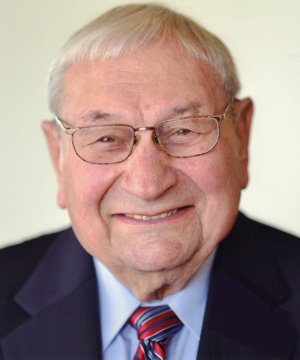
There are no words nor ways to ever adequately describe the evil of the Holocaust. Horrific, barbaric, disgusting, morose, inane, death, ashes, smoke; merely a feeble attempt at painting the stark black cloud that rained havoc during the Holocaust. Ripped clothing left in piles, broken lives left in hell, barrels of gold filings extracted from teeth, bones scattered like leaves- all are testaments to the ravages of the inhumanity that occurred during the Holocaust. A part of our history blanketed by skies of pure hate. But, this isn’t where Holocaust survivor, Lou Dunst focused his thoughts; this isn’t where he spent his time. No, quite the opposite, Dunst took the atrocity he lived through and made a braver decision than most people could ever find the will to even contemplate. See, Dunst turned all the inhumanity and hate he witnessed into feelings of love, compassion and peace. And now even after his death last year at 89, his legacy of love continues to be a forceful conduit which touches the lives of countless people today. In honor of Lou Dunst’s legacy of education and tolerance, his widow, Estelle Dunst has made a gift to UCSD, through the Lou Dunst Trust, in support of the Holocaust Living History Workshop, a joint program hosted by the UCSD Library and the campus’ Jewish Studies Program. The gift establishes the Lou Dunst Memorial Endowment, which will provide funding for the annual Lou Dunst Memorial Lecture. The Dunst Lecture will be held as part of the Holocaust Living History Workshop annual lecture series, in which Dunst had been a frequent participant. The workshop was established to preserve the memory of the victims and survivors of the Holocaust and to engage the community in thoughtful considerations of events surrounding the Holocaust and their continued relevance in the world today. In addition, the gift will provide funding to support ongoing access to the Shoah Foundation’s Visual History Archive through the UCSD Library.
The subscription ensures that students and community members can continue to benefit from eyewitness testimonies of Holocaust survivors, including Dunst.
Because without these reminders we can all too easily become desensitized and allow the truth to fall to the wayside. People permit dust to collect where they don’t look; but look we must, because the sharp blades and loud guns which tore apart the bodies of millions and millions are counting on us to educate the future. So, we look to Dunst to teach us how to do this in his absence. “This gift is a way to carry on his legacy and make sure that Lou and his message of love are
remembered in perpetuity,” his wife of for over 30 years, Estelle Dunst said. In recognition of the gift, the UCSD Library will name a classroom in the Geisel Library building for Dunst. The “Lou Dunst Classroom” will be used for Holocaust education and instructional activities, as well as other general library educational purposes.
“We are so appreciative of this generous gift from Estelle Dunst,” said Brian E. C. Schottlaender, The Audrey Geisel University Librarian. “It is a great honor for the Library to be home to the Lou Dunst Memorial Lecture, and to recognize this amazing man with this classroom naming. Mr. Dunst left a legacy of kindness, compassion and understanding. By teaching his core values, he touched the lives of so many people. Now, his impact will continue to be felt here on campus and beyond.”
“I would like people to know of something very unique and unusual about Lou. If he ever helped anyone emotionally when they sought his confidence or he financially aided them he never talked about it to anyone; not even to me. He felt that talking about it would take the meaning of it away.” Estelle Dunst recalled. Dunst had been left for dead during World War II in the Ebensee concentration camp in Austria when United States troops broke through the gates with a military tank. “Lou survived from two gas chambers; they ran out of fuel the last minute. He was not tattooed with his number because they were going to kill him right away. Instead he had a piece of metal with his number wired to his wrist. “The metal was from the Cyclon B cans used for the extermination. The day of his liberation he was dying on a pile of bodies next to the crematorium; they ran out of fuel. Like the title of his book “My Bargain With God,” he plead to live to tell the world what happened and to educate against hate and to teach love and brotherhood. I know this is why he survived,” Estelle Dunst explained.
Soon after his liberation and recovery, Dunst made the fateful decision to turn hate into love. And, over the years with prompting from his wife, Estelle, Dunst began sharing his story with others. By the time of his death in 2015, the businessman and educator had spoken to thousands—from schoolchildren and community members to dignitaries and judges—sharing his philosophy of love and compassion to ensure that atrocities like the Holocaust never happened again. In his book, “My Bargain with God,” Dunst wrote that “Every day, every moment of my life has been geared to spread the word to the rest of the world about the Holocaust, the worst man-made catastrophe of the human race. Every generation must learn about how intolerance, hatred and violence led to the mass murder of six million Jewish men, women and children so that it shall not happen again.”
A special program to recognize Lou Dunst and his legacy will be held Nov. 20. This event is open to the public but reservations are required. Go to LouDunstCelebration.eventbrite.com to RSVP. “My Bargain With God” can be found on Amazon.com.


