


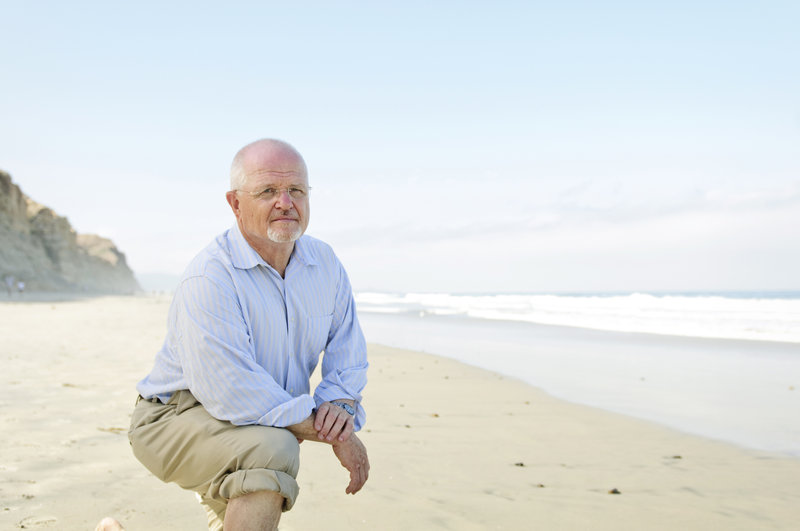
Imagine using your smart phone to report local environmental problems to community volunteers the way a Neighborhood Watch program reports crime. This is one vision Gale Filter, the new executive director of San Diego Coastkeeper, would like to implement as he settles into the top spot of one of San Diego’s foremost environmental watchdog groups. “We’re in tough economic times where we see government resources contracting,” he said. “People are going to be getting more involved and that’s what I want to do, help get [volunteers] involved.” A retired environmental prosecutor and alum of the University of San Diego, Filter served as the deputy director of enforcement and emergency response for the California Environmental Protection Agency’s Department of Toxic Substances Control. He also served as the deputy executive director for consumer, environmental and legal services for the California District Attorneys’ Association. While Filter said he plans to use law enforcement strategies to continue San Diego Coastkeeper’s mission, he added that he also wants to find new ways for volunteers to help. While working in Imperial County, Filter said he helped develop a website called Ivanonline.org to bring people, organizations and government officials together to help report and remedy pollution-related problems. “I don’t think we use enough of [technology],” Filter said. It would be interesting, he added, to see how someone can snap a picture or send a message to a website. From there, volunteers and government officials monitoring the website would meet periodically to discuss and solve the reported problems. City officials already meet with local planning boards to update residents on city projects. And though residents can already report nuisance pollution and other environmental code violations by calling the city, this proposed new group could request similar city attention, said Jose Ysea, San Diego Environmental Services public information officer. But even with cooperation from residents, the city has strict labor laws that may limit the amount of work volunteers may do. Environmental group volunteers already help with some water-monitoring activities, with the bulk of the work done by local government. “Because of liability issues and labor relations [the city] has to make sure we’re not filling paid city positions with volunteers,” Ysea said. Even paid and unpaid intern positions must go through a strict hiring process, he added. As Filter and the rest of the San Diego Coastkeeper team continue to keep citizen involvement up, other issues on the horizon also highlight the group’s agenda. Enforcement in protected marine sanctuaries off the coast of La Jolla Cove, Encinitas and neighboring shorelines will be something to keep an eye on, Filter said. Marine sanctuaries that protect certain pockets of shoreline would limit certain kinds of fishing, according to published reports. San Diego Coastkeeper will also continue to support educational programs such as Project Swell, an educational program aimed at teaching elementary school students about marine environmental issues through various projects and programs, according to the San Diego Coastkeeper website. “[San Diego Coastkeeper] has a history as a top-rated environmental organization by anyone’s standards,” Filter said. “It has done many great things on the environmental front in San Diego and I think it has incredible potential on a number of fronts.” San Diego Coastkeeper represents the local chapter of the larger Coastkeeper network. The organization partners with other groups like the San Diego Chapter of the Surfrider Foundation and with I Love a Clean San Diego. The organization has played a key role in helping to curb sewage infrastructure problems, water and marine life conservation efforts through periodic coastal cleanups, education campaigns and law enforcement lobbying campaigns. For more information or to volunteer, visit www.sdcoastkeeper.org.


