



Por Margie M. Palmer
San Diego City Councilmember Todd Gloria said he fully expects the city will litigate Gov. Jerry Brown’s proposal to redirect approximately $5 billion in statewide redevelopment funds from local municipalities into the state’s coffers, if the state Legislature supports the proposal.
Should the measure reach legal challenge, whether a judge will allow San Diego to proceed with redevelopment projects until a final decision is made remains unclear.
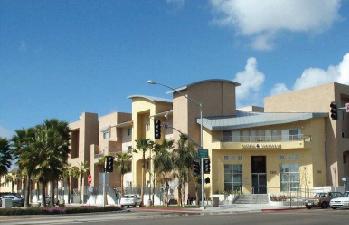
Because redevelopment funds are utilized to invest in blighted or deteriorating neighborhoods as a means of increasing economic activity and to spur revitalization, all of the city’s 19 redevelopment areas, including City Heights, would be affected should Gov. Brown succeed.
“If the Legislature approves Brown’s budget proposal, it will impact City Heights disproportionately, because redevelopment has been the central tool being used to revitalize that neighborhood,” Gloria said. “In the middle of this horrible economy, redevelopment money is the reason we’re still able to proceed with the type of projects that provide affordable housing, create jobs and increase retail opportunities.”
The City Heights Project Area is approximately 2,000 acres and is primarily residential, said Redevelopment Project Area manager Melissa Garcia. And while the commercial corridor has certainly benefited from redevelopment funds, CityHeights residents have benefited through the Home in the Heights Homebuyer Program and the City Heights Redevelopment Housing Enhancement Home Program (HELP).
“We recognize that City Heights is a heavily residential area, which is why we offer the first time home buyer program as well as the HELP program,” Garcia said. “The first time home buyer loan is a forgivable loan over 20 years, so long as the homeowner stays in the home and it remains owner-occupied. As long as the terms of the loan are met, it’s essentially free money to buy with.”
HELP loans, on the other hand, are geared toward current home owners who wish to make interior or exterior improvements. They are one hundred percent forgivable if the terms and conditions of the loan are met.
Gloria said that programs like these, coupled with other small-scale projects, such as storefront improvements, are important to a community still trying to get its head above water.
“These programs do more than provide affordable housing, they provide opportunities for home ownership, which to many, is part of the American dream,” he said.
Gloria said that while City Heights has been blessed with a great deal of philanthropic interest,
that charitable donations are still a poor substitute for redevelopment dollars.
Other neighborhoods, such as North Park, are not so fortunate.
“We don’t have that type of support for North Park,” Gloria said. “So while we may be able to do some things, I’m concerned what North Park might be able to do absent of redevelopment funds.”


