


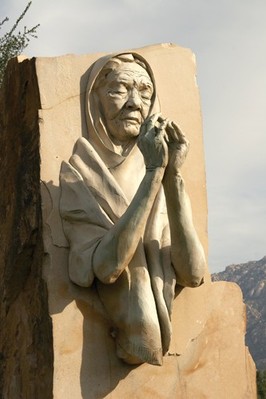
After reading the article about the planned tribal murals in La Jolla Shores Kellogg Park (“Shores murals will reveal Kumeyaay culture,” Village News, March 1, page 1), I felt compelled to commend the La Jolla Historical Society for their participation and support of this unique educational project.
Over the past few years, I have had the opportunity and privilege of meeting and knowing descendants of the original inhabitants of this area, mainly members of the Barona band of Mission Indians. I have learned many things about the unique culture and heritage of these self-sufficient people, their sense of community and responsibility and spirit of generosity, fairness and forgiveness. Their innate respect and appreciation for life and nature are qualities sorely needed in America today.
For more than 10,000 years, ancestors of the Iipay, Kumeyaay and Diegueão lived in harmony with nature on land that included all of San Diego County and part of Baja California. The many tribelets thrived in this territory by sharing the coastal lands and traveling freely as seasons dictated from the ocean shores to the mountain and desert areas.
With the invasion of the Spanish conquistadors in the 18th century, life for these peaceful peoples changed drastically and two centuries of subsequent oppression by an aggressive civilization led to the significant decline of their population. The arrival of the Americans in 1846 further fueled their ongoing life of hardship and desperate struggle to survive.
Before the Spanish invasion, 300,000 people speaking 300 dialects lived in California. By 1900, only 16,000 remained. There is a huge untold story about the near annihilation of these indigenous people. Born in the territorial United States, they were not recognized as citizens, and although rightful claimants to the protection and privileges of citizenship, they were not only discriminated against by the new settlers and their laws, they were denied all rights that should have been afforded them.
In the 1840s and ’50s, the town of San Diego experienced such growth that these native people were pushed farther and farther into the back hills of San Diego. Indians were forbidden to go into town unless they had a job. Slavery and discrimination were the norm. In December 1875, by an executive order of President Ulysses S. Grant, an area called Capitain Grande become a reservation. At last, the indigenous Indians, made homeless for so long, were given land in their homeland. However, in 1931 the City of San Diego wanted this land to create a reservoir, so they reclaimed the reservation given by President Grant and forced the inhabitants to again pull up roots, paying them the paltry sum of 50 cents per acre.
Two bands had shared Capitain Grande until 1931 ” the Los Conejos, now known as Viejas, and Capitain, who eventually became known as Barona. After enduring decades of deprivation, discrimination and cultural stress, the spirit of courage and hope still remained in the hearts of these resilient refugees. Perhaps their inner strength came from the land that had long been so much a part of them.
Just seven years ago, on March 7, 2000, California voters overwhelmingly amended the State Constitution to restore the rights Indians were promised in the U.S. Constitution 125 years earlier. Today their story is more positive. There are 17 reservations with sovereign tribal governments in San Diego County.
In August 2007, the Barona Cultural Center and Museum is opening an exhibit commemorating the 75th anniversary of the move from Capitain Grande to Barona. For further information, please call (619) 443-7003, ext. 2, or visit www.barona .museum.org.
” La Jollan Florence Lambert is an environmentalist and director of The Elephant Alliance.


