• en_US
  • es_MX
  • About Us
Sunday, December 14, 2025
No Result
View All Result

  • Top Stories
  • News
  • Features
  • Opinion
  • Education
  • Arts Entertainment
  • Sports
  • Business Directory
  • Expert Advice
  • Real Estate
  • Top Stories
  • News
  • Features
  • Opinion
  • Education
  • Arts Entertainment
  • Sports
  • Business Directory
  • Expert Advice
  • Real Estate
  • Top Stories
  • News
  • Features
  • Opinion
  • Education
  • Arts Entertainment
  • Sports
  • Business Directory
  • Expert Advice
  • Real Estate
  • Top Stories
  • News
  • Features
  • Opinion
  • Education
  • Arts Entertainment
  • Sports
  • Business Directory
  • Expert Advice
  • Real Estate
  • Top Stories
  • News
  • Features
  • Opinion
  • Education
  • Arts Entertainment
  • Sports
  • Business Directory
  • Expert Advice
  • Real Estate
  • Top Stories
  • News
  • Features
  • Opinion
  • Education
  • Arts Entertainment
  • Sports
  • Business Directory
  • Expert Advice
  • Real Estate
  • Top Stories
  • News
  • Features
  • Opinion
  • Education
  • Arts Entertainment
  • Sports
  • Business Directory
  • Expert Advice
  • Real Estate
  • Top Stories
  • News
  • Features
  • Opinion
  • Education
  • Arts Entertainment
  • Sports
  • Business Directory
  • Expert Advice
  • Real Estate
  • Top Stories
  • News
  • Features
  • Opinion
  • Education
  • Arts Entertainment
  • Sports
  • Business Directory
  • Expert Advice
  • Real Estate
  • Publications
  • Business Directory
  • About Us
  • Contact Us
  • Staff Writers
  • Subscriptions/Support
  • Top Stories
  • News
  • Features
  • Opinion
  • Education
  • Art & Entertainment
  • Sports
  • Business Directory
  • Expert Advice
  • Real Estate
  • Top Stories
  • News
  • Features
  • Opinion
  • Education
  • Art & Entertainment
  • Sports
  • Business Directory
  • Expert Advice
  • Real Estate
  • Top Stories
  • News
  • Features
  • Opinion
  • Education
  • Art & Entertainment
  • Sports
  • Business Directory
  • Expert Advice
  • Real Estate
  • Top Stories
  • News
  • Features
  • Opinion
  • Education
  • Art & Entertainment
  • Sports
  • Business Directory
  • Expert Advice
  • Real Estate
  • Top Stories
  • News
  • Features
  • Opinion
  • Education
  • Art & Entertainment
  • Sports
  • Business Directory
  • Expert Advice
  • Real Estate
  • Top Stories
  • News
  • Features
  • Opinion
  • Education
  • Art & Entertainment
  • Sports
  • Business Directory
  • Expert Advice
  • Real Estate
  • Top Stories
  • News
  • Features
  • Opinion
  • Education
  • Art & Entertainment
  • Sports
  • Business Directory
  • Expert Advice
  • Real Estate
  • Top Stories
  • News
  • Features
  • Opinion
  • Education
  • Art & Entertainment
  • Sports
  • Business Directory
  • Expert Advice
  • Real Estate
  • Top Stories
  • News
  • Features
  • Opinion
  • Education
  • Art & Entertainment
  • Sports
  • Business Directory
  • Expert Advice
  • Real Estate
  • Report News
SDNews.com
Home Beach & Bay Press

After three successive years of drought, the city has issued a Level 1 alert calling for citizens to voluntarily participate in water-conservation measures, including not watering lawns more than three days a week and watering lawns or washing vehicles only before 10 a.m. or after 6 p.m. during summer months. California is mired in a long-term drought, and San Diego is no exception. Noting San Diego’s annual rainfall average recorded at the official measurement station at Lindbergh Field is 10.34 inches, National Weather Service forecaster Jimmy Taeger said the rainfall amount for 2013-14, which ended June 30, was 5.06 inches. Taeger said rainfall levels the previous year in 2012-13 were 6.51 inches and 8.03 inches the year before that in 2011-12. The forecaster said you have to go back to 2010-11 to find the last year when rainfall was at or above normal, with 12.62 inches that year. Recent changes to the city’s emergency water regulations have established new restrictions on water use, as well as stepping up enforcement and penalties. All water waste is prohibited in the San Diego Municipal Code. Wasting water is illegal at all times, even when no drought-response levels are in effect. Any violations of the water-use restrictions associated with drought-response levels are also treated as water waste. The city may penalize those who continue to waste water with an escalating series of penalties up to and including shutting off water service. When customers continue to waste water after being contacted by the Public Utilities Department’s conservation staff, the city’s Code Enforcement Department can step in. Should a customer refuse to stop overwatering, fail to repair a leak or continue other water waste, a code-enforcement officer or water-waste investigator will fashion an appropriate response. Code-enforcement officers have a variety of remedies to help ensure compliance, including issuing a warning letter, administrative citations ranging from $100 to $1,000, civil penalties up to $2,500 per day for violations, referral to the City Attorney’s Office for civil or criminal prosecution and shutoff of water service. On July 15, California’s Water Resources Control Board voted to impose mandatory water-use restrictions statewide in response to California’s ongoing drought. For San Diego, however, permanent mandatory water-use restrictions in place since 2009 already meet elements of the requirements mandated by the state. As a result, the state’s regulation does not require the city to make changes to its emergency water regulations but should serve as a reminder to all San Diegans that using water efficiently, and in compliance with the city’s current water use restrictions, are important to help conserve water during this severe drought condition. “I want to thank San Diegans, who for years have done a tremendous job of stepping up to the plate to incorporate water conservation into their way of life,” said Mayor Kevin Faulconer. “This summer, as we see temperatures climb, we must continue to be mindful of the current drought situation by adhering daily to the city’s permanent water use restrictions,” he said. The city will continue to review the state’s decision and monitor the drought conditions throughout the state to determine if any changes to its drought response level are necessary. The city’s focus for now will be to reduce water waste by educating residents on how to comply with the restrictions through education rather than an enhanced enforcement system focused on fines.

Tech by Tech
July 23, 2014
in Beach & Bay Press, News
Reading Time: 3 mins read
0 0
A A
0
After three successive years of drought, the city has issued a Level 1 alert calling for citizens to voluntarily participate in water-conservation measures, including not watering lawns more than three days a week and watering lawns or washing vehicles only before 10 a.m. or after 6 p.m. during summer months. California is mired in a long-term drought, and San Diego is no exception. Noting San Diego’s annual rainfall average recorded at the official measurement station at Lindbergh Field is 10.34 inches, National Weather Service forecaster Jimmy Taeger said the rainfall amount for 2013-14, which ended June 30, was 5.06 inches. Taeger said rainfall levels the previous year in 2012-13 were 6.51 inches and 8.03 inches the year before that in 2011-12. The forecaster said you have to go back to 2010-11 to find the last year when rainfall was at or above normal, with 12.62 inches that year. Recent changes to the city’s emergency water regulations have established new restrictions on water use, as well as stepping up enforcement and penalties. All water waste is prohibited in the San Diego Municipal Code. Wasting water is illegal at all times, even when no drought-response levels are in effect. Any violations of the water-use restrictions associated with drought-response levels are also treated as water waste. The city may penalize those who continue to waste water with an escalating series of penalties up to and including shutting off water service. When customers continue to waste water after being contacted by the Public Utilities Department’s conservation staff, the city's Code Enforcement Department can step in. Should a customer refuse to stop overwatering, fail to repair a leak or continue other water waste, a code-enforcement officer or water-waste investigator will fashion an appropriate response. Code-enforcement officers have a variety of remedies to help ensure compliance, including issuing a warning letter, administrative citations ranging from $100 to $1,000, civil penalties up to $2,500 per day for violations, referral to the City Attorney’s Office for civil or criminal prosecution and shutoff of water service. On July 15, California’s Water Resources Control Board voted to impose mandatory water-use restrictions statewide in response to California’s ongoing drought. For San Diego, however, permanent mandatory water-use restrictions in place since 2009 already meet elements of the requirements mandated by the state. As a result, the state’s regulation does not require the city to make changes to its emergency water regulations but should serve as a reminder to all San Diegans that using water efficiently, and in compliance with the city’s current water use restrictions, are important to help conserve water during this severe drought condition. "I want to thank San Diegans, who for years have done a tremendous job of stepping up to the plate to incorporate water conservation into their way of life," said Mayor Kevin Faulconer. "This summer, as we see temperatures climb, we must continue to be mindful of the current drought situation by adhering daily to the city’s permanent water use restrictions," he said. The city will continue to review the state’s decision and monitor the drought conditions throughout the state to determine if any changes to its drought response level are necessary. The city’s focus for now will be to reduce water waste by educating residents on how to comply with the restrictions through education rather than an enhanced enforcement system focused on fines.
0
SHARES
9
VIEWS
After three successive years of drought, the city has issued a Level 1 alert calling for citizens to voluntarily participate in water-conservation measures, including not watering lawns more than three days a week and watering lawns or washing vehicles only before 10 a.m. or after 6 p.m. during summer months. California is mired in a long-term drought, and San Diego is no exception. Noting San Diego’s annual rainfall average recorded at the official measurement station at Lindbergh Field is 10.34 inches, National Weather Service forecaster Jimmy Taeger said the rainfall amount for 2013-14, which ended June 30, was 5.06 inches. Taeger said rainfall levels the previous year in 2012-13 were 6.51 inches and 8.03 inches the year before that in 2011-12. The forecaster said you have to go back to 2010-11 to find the last year when rainfall was at or above normal, with 12.62 inches that year. Recent changes to the city’s emergency water regulations have established new restrictions on water use, as well as stepping up enforcement and penalties. All water waste is prohibited in the San Diego Municipal Code. Wasting water is illegal at all times, even when no drought-response levels are in effect. Any violations of the water-use restrictions associated with drought-response levels are also treated as water waste. The city may penalize those who continue to waste water with an escalating series of penalties up to and including shutting off water service. When customers continue to waste water after being contacted by the Public Utilities Department’s conservation staff, the city's Code Enforcement Department can step in. Should a customer refuse to stop overwatering, fail to repair a leak or continue other water waste, a code-enforcement officer or water-waste investigator will fashion an appropriate response. Code-enforcement officers have a variety of remedies to help ensure compliance, including issuing a warning letter, administrative citations ranging from $100 to $1,000, civil penalties up to $2,500 per day for violations, referral to the City Attorney’s Office for civil or criminal prosecution and shutoff of water service. On July 15, California’s Water Resources Control Board voted to impose mandatory water-use restrictions statewide in response to California’s ongoing drought. For San Diego, however, permanent mandatory water-use restrictions in place since 2009 already meet elements of the requirements mandated by the state. As a result, the state’s regulation does not require the city to make changes to its emergency water regulations but should serve as a reminder to all San Diegans that using water efficiently, and in compliance with the city’s current water use restrictions, are important to help conserve water during this severe drought condition. "I want to thank San Diegans, who for years have done a tremendous job of stepping up to the plate to incorporate water conservation into their way of life," said Mayor Kevin Faulconer. "This summer, as we see temperatures climb, we must continue to be mindful of the current drought situation by adhering daily to the city’s permanent water use restrictions," he said. The city will continue to review the state’s decision and monitor the drought conditions throughout the state to determine if any changes to its drought response level are necessary. The city’s focus for now will be to reduce water waste by educating residents on how to comply with the restrictions through education rather than an enhanced enforcement system focused on fines.

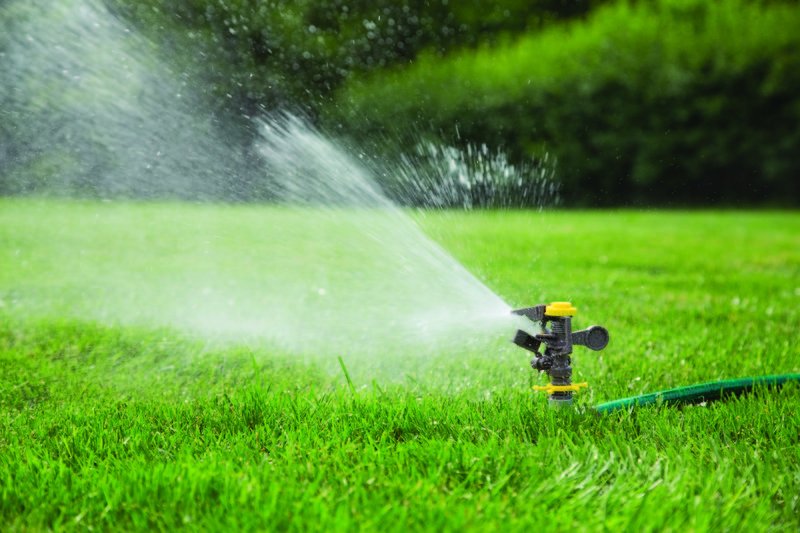
After three successive years of drought, the city has issued a Level 1 alert calling for citizens to voluntarily participate in water-conservation measures, including not watering lawns more than three days a week and watering lawns or washing vehicles only before 10 a.m. or after 6 p.m. during summer months.
California is mired in a long-term drought and San Diego is no exception. Noting San Diego’s annual rainfall average recorded at the official measurement station at Lindbergh Field is 10.34 inches, National Weather Service forecaster Jimmy Taeger said the rainfall amount for 2013-14, which ended June 30, was 5.06 inches. Taeger said rainfall levels the previous year in 2012-13 were 6.51 inches and 8.03 inches the year before that in 2011-12. The forecaster said you have to go back to 2010-11 to find the last year when rainfall was at or above normal, with 12.62 inches that year.
Recent changes to the city’s emergency water regulations have established new restrictions on water use, as well as stepping up enforcement and penalties.
All water waste is prohibited in the San Diego Municipal Code. Wasting water is illegal at all times, even when no drought-response levels are in effect. Any violations of the water-use restrictions associated with drought-response levels are also treated as water waste.
The city may penalize those who continue to waste water with an escalating series of penalties up to and including shutting off water service. When customers continue to waste water after being contacted by the Public Utilities Department’s conservation staff, the city’s Code Enforcement Department can step in.
Should a customer refuse to stop overwatering, fail to repair a leak or continue other water waste, a code-enforcement officer or water-waste investigator will fashion an appropriate response.
Code-enforcement officers have a variety of remedies to help ensure compliance, including issuing a warning letter, administrative citations ranging from $100 to $1,000, civil penalties up to $2,500 per day for violations, referral to the City Attorney’s Office for civil or criminal prosecution and shutoff of water service.,
On July 15 California’s Water Resources Control Board voted to impose mandatory water-use restrictions statewide in response to California’s ongoing drought. For San Diego, however, permanent mandatory water-use restrictions in place since 2009 already meet elements of the requirements mandated by the state.
As a result, the state’s regulation does not require the city to make changes to its emergency water regulations but should serve as a reminder to all San Diegans that using water efficiently, and in compliance with the city’s current water use restrictions, are important to help conserve water during this severe drought condition.
“I want to thank San Diegans, who for years have done a tremendous job of stepping up to the plate to incorporate water conservation into their way of life,” said Mayor Kevin Faulconer. “This summer, as we see temperatures climb, we must continue to be mindful of the current drought situation by adhering daily to the city’s permanent water use restrictions,” he said.
The city will continue to review the state’s decision and monitor the drought conditions throughout the state to determine if any changes to its drought response level are necessary. In the meantime, the city’s focus will be to reduce water waste by educating residents on how to comply with the restrictions through education rather than an enhanced enforcement system focused on fines. A few helpful hints for conserving water:
• Check faucets, pipes and toilets for leaks.
• Plant drought-resistant lawns, shrubs and plants.
• Put a layer of mulch around trees and plants.
• Water during early or late parts of the day.
• Don’t let the hose run while washing your car.
• Use a broom, not a hose, to clean driveways and sidewalks.

Previous Post

Ordinance group OKs Boffo theater design plans, George’s terrace expansion

Next Post

Traditions, Traditions

Tech

Tech

Related Posts

A red wood gavel
News

Murder trial for North Park stabbing moves forward

by Neal Putnam
May 7, 2023
sdsu housing
Mission Valley News - News

Developer selected for first affordable housing project at SDSU Mission Valley

by SDNEWS Staff
April 12, 2023
balboapark
Downtown News

April news briefs from in and around San Diego

by SDNEWS Staff
April 11, 2023
After three successive years of drought, the city has issued a Level 1 alert calling for citizens to voluntarily participate in water-conservation measures, including not watering lawns more than three days a week and watering lawns or washing vehicles only before 10 a.m. or after 6 p.m. during summer months. California is mired in a long-term drought, and San Diego is no exception. Noting San Diego’s annual rainfall average recorded at the official measurement station at Lindbergh Field is 10.34 inches, National Weather Service forecaster Jimmy Taeger said the rainfall amount for 2013-14, which ended June 30, was 5.06 inches. Taeger said rainfall levels the previous year in 2012-13 were 6.51 inches and 8.03 inches the year before that in 2011-12. The forecaster said you have to go back to 2010-11 to find the last year when rainfall was at or above normal, with 12.62 inches that year. Recent changes to the city’s emergency water regulations have established new restrictions on water use, as well as stepping up enforcement and penalties. All water waste is prohibited in the San Diego Municipal Code. Wasting water is illegal at all times, even when no drought-response levels are in effect. Any violations of the water-use restrictions associated with drought-response levels are also treated as water waste. The city may penalize those who continue to waste water with an escalating series of penalties up to and including shutting off water service. When customers continue to waste water after being contacted by the Public Utilities Department’s conservation staff, the city's Code Enforcement Department can step in. Should a customer refuse to stop overwatering, fail to repair a leak or continue other water waste, a code-enforcement officer or water-waste investigator will fashion an appropriate response. Code-enforcement officers have a variety of remedies to help ensure compliance, including issuing a warning letter, administrative citations ranging from $100 to $1,000, civil penalties up to $2,500 per day for violations, referral to the City Attorney’s Office for civil or criminal prosecution and shutoff of water service. On July 15, California’s Water Resources Control Board voted to impose mandatory water-use restrictions statewide in response to California’s ongoing drought. For San Diego, however, permanent mandatory water-use restrictions in place since 2009 already meet elements of the requirements mandated by the state. As a result, the state’s regulation does not require the city to make changes to its emergency water regulations but should serve as a reminder to all San Diegans that using water efficiently, and in compliance with the city’s current water use restrictions, are important to help conserve water during this severe drought condition. "I want to thank San Diegans, who for years have done a tremendous job of stepping up to the plate to incorporate water conservation into their way of life," said Mayor Kevin Faulconer. "This summer, as we see temperatures climb, we must continue to be mindful of the current drought situation by adhering daily to the city’s permanent water use restrictions," he said. The city will continue to review the state’s decision and monitor the drought conditions throughout the state to determine if any changes to its drought response level are necessary. The city’s focus for now will be to reduce water waste by educating residents on how to comply with the restrictions through education rather than an enhanced enforcement system focused on fines.
Downtown News

Town hall: America’s largest landlord raises rent, evicts tenants in SD

by Juri Kim
April 10, 2023
After three successive years of drought, the city has issued a Level 1 alert calling for citizens to voluntarily participate in water-conservation measures, including not watering lawns more than three days a week and watering lawns or washing vehicles only before 10 a.m. or after 6 p.m. during summer months. California is mired in a long-term drought, and San Diego is no exception. Noting San Diego’s annual rainfall average recorded at the official measurement station at Lindbergh Field is 10.34 inches, National Weather Service forecaster Jimmy Taeger said the rainfall amount for 2013-14, which ended June 30, was 5.06 inches. Taeger said rainfall levels the previous year in 2012-13 were 6.51 inches and 8.03 inches the year before that in 2011-12. The forecaster said you have to go back to 2010-11 to find the last year when rainfall was at or above normal, with 12.62 inches that year. Recent changes to the city’s emergency water regulations have established new restrictions on water use, as well as stepping up enforcement and penalties. All water waste is prohibited in the San Diego Municipal Code. Wasting water is illegal at all times, even when no drought-response levels are in effect. Any violations of the water-use restrictions associated with drought-response levels are also treated as water waste. The city may penalize those who continue to waste water with an escalating series of penalties up to and including shutting off water service. When customers continue to waste water after being contacted by the Public Utilities Department’s conservation staff, the city's Code Enforcement Department can step in. Should a customer refuse to stop overwatering, fail to repair a leak or continue other water waste, a code-enforcement officer or water-waste investigator will fashion an appropriate response. Code-enforcement officers have a variety of remedies to help ensure compliance, including issuing a warning letter, administrative citations ranging from $100 to $1,000, civil penalties up to $2,500 per day for violations, referral to the City Attorney’s Office for civil or criminal prosecution and shutoff of water service. On July 15, California’s Water Resources Control Board voted to impose mandatory water-use restrictions statewide in response to California’s ongoing drought. For San Diego, however, permanent mandatory water-use restrictions in place since 2009 already meet elements of the requirements mandated by the state. As a result, the state’s regulation does not require the city to make changes to its emergency water regulations but should serve as a reminder to all San Diegans that using water efficiently, and in compliance with the city’s current water use restrictions, are important to help conserve water during this severe drought condition. "I want to thank San Diegans, who for years have done a tremendous job of stepping up to the plate to incorporate water conservation into their way of life," said Mayor Kevin Faulconer. "This summer, as we see temperatures climb, we must continue to be mindful of the current drought situation by adhering daily to the city’s permanent water use restrictions," he said. The city will continue to review the state’s decision and monitor the drought conditions throughout the state to determine if any changes to its drought response level are necessary. The city’s focus for now will be to reduce water waste by educating residents on how to comply with the restrictions through education rather than an enhanced enforcement system focused on fines.
Downtown News

Traffic safety campaign launches with posters at intersections where people died

by Juri Kim
April 7, 2023
After three successive years of drought, the city has issued a Level 1 alert calling for citizens to voluntarily participate in water-conservation measures, including not watering lawns more than three days a week and watering lawns or washing vehicles only before 10 a.m. or after 6 p.m. during summer months. California is mired in a long-term drought, and San Diego is no exception. Noting San Diego’s annual rainfall average recorded at the official measurement station at Lindbergh Field is 10.34 inches, National Weather Service forecaster Jimmy Taeger said the rainfall amount for 2013-14, which ended June 30, was 5.06 inches. Taeger said rainfall levels the previous year in 2012-13 were 6.51 inches and 8.03 inches the year before that in 2011-12. The forecaster said you have to go back to 2010-11 to find the last year when rainfall was at or above normal, with 12.62 inches that year. Recent changes to the city’s emergency water regulations have established new restrictions on water use, as well as stepping up enforcement and penalties. All water waste is prohibited in the San Diego Municipal Code. Wasting water is illegal at all times, even when no drought-response levels are in effect. Any violations of the water-use restrictions associated with drought-response levels are also treated as water waste. The city may penalize those who continue to waste water with an escalating series of penalties up to and including shutting off water service. When customers continue to waste water after being contacted by the Public Utilities Department’s conservation staff, the city's Code Enforcement Department can step in. Should a customer refuse to stop overwatering, fail to repair a leak or continue other water waste, a code-enforcement officer or water-waste investigator will fashion an appropriate response. Code-enforcement officers have a variety of remedies to help ensure compliance, including issuing a warning letter, administrative citations ranging from $100 to $1,000, civil penalties up to $2,500 per day for violations, referral to the City Attorney’s Office for civil or criminal prosecution and shutoff of water service. On July 15, California’s Water Resources Control Board voted to impose mandatory water-use restrictions statewide in response to California’s ongoing drought. For San Diego, however, permanent mandatory water-use restrictions in place since 2009 already meet elements of the requirements mandated by the state. As a result, the state’s regulation does not require the city to make changes to its emergency water regulations but should serve as a reminder to all San Diegans that using water efficiently, and in compliance with the city’s current water use restrictions, are important to help conserve water during this severe drought condition. "I want to thank San Diegans, who for years have done a tremendous job of stepping up to the plate to incorporate water conservation into their way of life," said Mayor Kevin Faulconer. "This summer, as we see temperatures climb, we must continue to be mindful of the current drought situation by adhering daily to the city’s permanent water use restrictions," he said. The city will continue to review the state’s decision and monitor the drought conditions throughout the state to determine if any changes to its drought response level are necessary. The city’s focus for now will be to reduce water waste by educating residents on how to comply with the restrictions through education rather than an enhanced enforcement system focused on fines.
Downtown News

Local chapter of “Banking on Our Future” protest big banks’ fossil fuel ties

by Juri Kim
April 5, 2023
After three successive years of drought, the city has issued a Level 1 alert calling for citizens to voluntarily participate in water-conservation measures, including not watering lawns more than three days a week and watering lawns or washing vehicles only before 10 a.m. or after 6 p.m. during summer months. California is mired in a long-term drought, and San Diego is no exception. Noting San Diego’s annual rainfall average recorded at the official measurement station at Lindbergh Field is 10.34 inches, National Weather Service forecaster Jimmy Taeger said the rainfall amount for 2013-14, which ended June 30, was 5.06 inches. Taeger said rainfall levels the previous year in 2012-13 were 6.51 inches and 8.03 inches the year before that in 2011-12. The forecaster said you have to go back to 2010-11 to find the last year when rainfall was at or above normal, with 12.62 inches that year. Recent changes to the city’s emergency water regulations have established new restrictions on water use, as well as stepping up enforcement and penalties. All water waste is prohibited in the San Diego Municipal Code. Wasting water is illegal at all times, even when no drought-response levels are in effect. Any violations of the water-use restrictions associated with drought-response levels are also treated as water waste. The city may penalize those who continue to waste water with an escalating series of penalties up to and including shutting off water service. When customers continue to waste water after being contacted by the Public Utilities Department’s conservation staff, the city's Code Enforcement Department can step in. Should a customer refuse to stop overwatering, fail to repair a leak or continue other water waste, a code-enforcement officer or water-waste investigator will fashion an appropriate response. Code-enforcement officers have a variety of remedies to help ensure compliance, including issuing a warning letter, administrative citations ranging from $100 to $1,000, civil penalties up to $2,500 per day for violations, referral to the City Attorney’s Office for civil or criminal prosecution and shutoff of water service. On July 15, California’s Water Resources Control Board voted to impose mandatory water-use restrictions statewide in response to California’s ongoing drought. For San Diego, however, permanent mandatory water-use restrictions in place since 2009 already meet elements of the requirements mandated by the state. As a result, the state’s regulation does not require the city to make changes to its emergency water regulations but should serve as a reminder to all San Diegans that using water efficiently, and in compliance with the city’s current water use restrictions, are important to help conserve water during this severe drought condition. "I want to thank San Diegans, who for years have done a tremendous job of stepping up to the plate to incorporate water conservation into their way of life," said Mayor Kevin Faulconer. "This summer, as we see temperatures climb, we must continue to be mindful of the current drought situation by adhering daily to the city’s permanent water use restrictions," he said. The city will continue to review the state’s decision and monitor the drought conditions throughout the state to determine if any changes to its drought response level are necessary. The city’s focus for now will be to reduce water waste by educating residents on how to comply with the restrictions through education rather than an enhanced enforcement system focused on fines.
News

Two rare Amur leopards born at zoo

by SDNEWS Staff
March 28, 2023
After three successive years of drought, the city has issued a Level 1 alert calling for citizens to voluntarily participate in water-conservation measures, including not watering lawns more than three days a week and watering lawns or washing vehicles only before 10 a.m. or after 6 p.m. during summer months. California is mired in a long-term drought, and San Diego is no exception. Noting San Diego’s annual rainfall average recorded at the official measurement station at Lindbergh Field is 10.34 inches, National Weather Service forecaster Jimmy Taeger said the rainfall amount for 2013-14, which ended June 30, was 5.06 inches. Taeger said rainfall levels the previous year in 2012-13 were 6.51 inches and 8.03 inches the year before that in 2011-12. The forecaster said you have to go back to 2010-11 to find the last year when rainfall was at or above normal, with 12.62 inches that year. Recent changes to the city’s emergency water regulations have established new restrictions on water use, as well as stepping up enforcement and penalties. All water waste is prohibited in the San Diego Municipal Code. Wasting water is illegal at all times, even when no drought-response levels are in effect. Any violations of the water-use restrictions associated with drought-response levels are also treated as water waste. The city may penalize those who continue to waste water with an escalating series of penalties up to and including shutting off water service. When customers continue to waste water after being contacted by the Public Utilities Department’s conservation staff, the city's Code Enforcement Department can step in. Should a customer refuse to stop overwatering, fail to repair a leak or continue other water waste, a code-enforcement officer or water-waste investigator will fashion an appropriate response. Code-enforcement officers have a variety of remedies to help ensure compliance, including issuing a warning letter, administrative citations ranging from $100 to $1,000, civil penalties up to $2,500 per day for violations, referral to the City Attorney’s Office for civil or criminal prosecution and shutoff of water service. On July 15, California’s Water Resources Control Board voted to impose mandatory water-use restrictions statewide in response to California’s ongoing drought. For San Diego, however, permanent mandatory water-use restrictions in place since 2009 already meet elements of the requirements mandated by the state. As a result, the state’s regulation does not require the city to make changes to its emergency water regulations but should serve as a reminder to all San Diegans that using water efficiently, and in compliance with the city’s current water use restrictions, are important to help conserve water during this severe drought condition. "I want to thank San Diegans, who for years have done a tremendous job of stepping up to the plate to incorporate water conservation into their way of life," said Mayor Kevin Faulconer. "This summer, as we see temperatures climb, we must continue to be mindful of the current drought situation by adhering daily to the city’s permanent water use restrictions," he said. The city will continue to review the state’s decision and monitor the drought conditions throughout the state to determine if any changes to its drought response level are necessary. The city’s focus for now will be to reduce water waste by educating residents on how to comply with the restrictions through education rather than an enhanced enforcement system focused on fines.
News

Community planning groups now required to meet in person

by Dave Schwab
March 8, 2023
Next Post
After three successive years of drought, the city has issued a Level 1 alert calling for citizens to voluntarily participate in water-conservation measures, including not watering lawns more than three days a week and watering lawns or washing vehicles only before 10 a.m. or after 6 p.m. during summer months. California is mired in a long-term drought, and San Diego is no exception. Noting San Diego’s annual rainfall average recorded at the official measurement station at Lindbergh Field is 10.34 inches, National Weather Service forecaster Jimmy Taeger said the rainfall amount for 2013-14, which ended June 30, was 5.06 inches. Taeger said rainfall levels the previous year in 2012-13 were 6.51 inches and 8.03 inches the year before that in 2011-12. The forecaster said you have to go back to 2010-11 to find the last year when rainfall was at or above normal, with 12.62 inches that year. Recent changes to the city’s emergency water regulations have established new restrictions on water use, as well as stepping up enforcement and penalties. All water waste is prohibited in the San Diego Municipal Code. Wasting water is illegal at all times, even when no drought-response levels are in effect. Any violations of the water-use restrictions associated with drought-response levels are also treated as water waste. The city may penalize those who continue to waste water with an escalating series of penalties up to and including shutting off water service. When customers continue to waste water after being contacted by the Public Utilities Department’s conservation staff, the city's Code Enforcement Department can step in. Should a customer refuse to stop overwatering, fail to repair a leak or continue other water waste, a code-enforcement officer or water-waste investigator will fashion an appropriate response. Code-enforcement officers have a variety of remedies to help ensure compliance, including issuing a warning letter, administrative citations ranging from $100 to $1,000, civil penalties up to $2,500 per day for violations, referral to the City Attorney’s Office for civil or criminal prosecution and shutoff of water service. On July 15, California’s Water Resources Control Board voted to impose mandatory water-use restrictions statewide in response to California’s ongoing drought. For San Diego, however, permanent mandatory water-use restrictions in place since 2009 already meet elements of the requirements mandated by the state. As a result, the state’s regulation does not require the city to make changes to its emergency water regulations but should serve as a reminder to all San Diegans that using water efficiently, and in compliance with the city’s current water use restrictions, are important to help conserve water during this severe drought condition. "I want to thank San Diegans, who for years have done a tremendous job of stepping up to the plate to incorporate water conservation into their way of life," said Mayor Kevin Faulconer. "This summer, as we see temperatures climb, we must continue to be mindful of the current drought situation by adhering daily to the city’s permanent water use restrictions," he said. The city will continue to review the state’s decision and monitor the drought conditions throughout the state to determine if any changes to its drought response level are necessary. The city’s focus for now will be to reduce water waste by educating residents on how to comply with the restrictions through education rather than an enhanced enforcement system focused on fines.

Traditions, Traditions

[adinserter block="1"]
  • Business Directory
  • About Us
  • Contact Us
  • Staff Writers
  • Subscriptions/Support
  • Publications
  • Report News

CONNECT + SHARE

© Copyright 2023 SDNews.com Privacy Policy

Welcome Back!

Login to your account below

Forgotten Password?

Retrieve your password

Please enter your username or email address to reset your password.

Log In
No Result
View All Result
  • en_US
  • es_MX
  • Report News

© Copyright 2023 SDNews.com Privacy Policy