


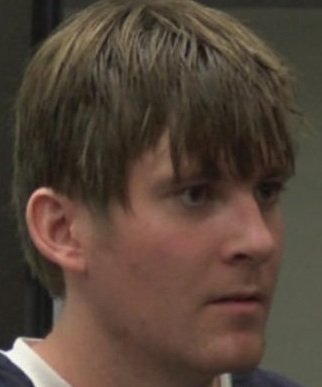
A judge heard a 911 call recording Jan. 12 that indicated Dr. David Haynes told police his schizophrenic son had shot his mother to death, just before numerous gunshots were heard that mortally wounded the physician in his Point Loma home. The dramatic recording was played in the preliminary hearing of Peter Haynes, 23, who was ordered to stand trial for the murders of his parents, David and Lissa Haynes. The slayings occurred Nov. 28, 2014 around 3 a.m., a few hours after Thanksgiving day. San Diego Superior Court Judge Laura Halgren also ordered Peter Haynes to stand trial for two special circumstance allegations that say he committed multiple murders and was lying in wait to commit murder. A decision on penalty will be decided later. Peter Haynes has pleaded not guilty in the killings. A trial date is set for Feb. 22. The Jan. 12 hearing was delayed a year because Haynes had been declared mentally incompetent and was in a state mental hospital. Another judge determined he has regained his mental competency. Halgren dismissed one special circumstance that alleged Haynes killed his parents during a burglary after Deputy District Attorney Makenzie Harvey asked for it to be dropped. Peter Haynes lived with his parents in the four-bedroom house on Tarento Drive, and because he lived at the home, the act wasn’t considered a burglary. The voice of David Haynes, 61, was heard telling a police dispatcher he heard his wife screaming. “She was shot in the chest. I think she might be dead,” Haynes said on the tape. While talking to the dispatcher, a number of gunshots were heard, and Haynes said little else. The word “don’t” was heard, and the dispatcher repeatedly attempted to get Haynes to say more. His labored breathing could be heard, but he had fallen onto the floor, and the phone was found a few feet away from him. According to testimony from forensic pathologist Steven Campman, Lissa Haynes, 62, was shot first and only once. A bullet to her chest pierced her heart and lung, and she died within minutes. David Haynes was shot nine times, with six wounds to the back, Campman said. One bullet went into his spinal cord, which would have caused paralysis had he survived. Another bullet damaged his aorta, and surgery at a hospital was unsuccessful. A dispatcher told David Haynes that “help is coming,” but Haynes didn’t respond. When officers arrived, David Haynes could be heard repeatedly saying “can’t breathe.” The first witness, neighbor Courtney Gant, told the judge she heard screaming and gunshots around 3 a.m. that morning. She said she jumped out of bed and heard David Haynes make the 911 call. Gant added that she saw a man with a gun outside the home and that he was peering inside a window. She identified Peter Haynes as the man with a gun and said she heard more shots fired before she called 911. Detective Anna Marie Yankovich testified shell casings were found in the garden outside and that it was believed the shooter shot into the house at both victims. Officer Andrew Korenkov testified he then ordered Haynes to put his hands up. A semi-automatic pistol was found in Haynes’ pants pocket and is believed to be the murder weapon. Yankovich told Halgren the pistol was registered to Peter Haynes.


