


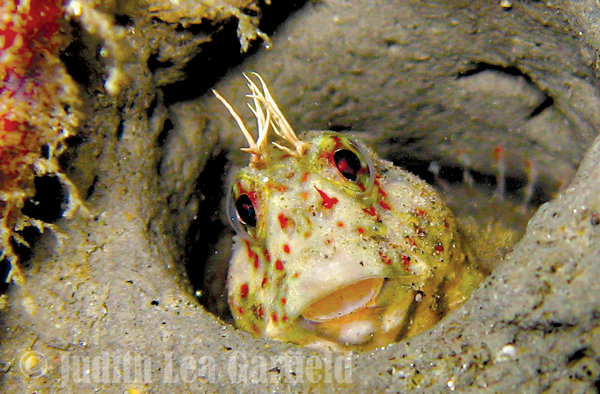
Who says your vote doesn’t count? You just have to be lucky enough to live long enough to see change happen. When California voters said “Yes” to the California Marine Protection Act (with bipartisan support) back in 1999, who knew it would take 13 years (including lots of lawsuits by fishing lobbies) before a network of marine protected areas (MPAs) could become a reality? I went to some of those meetings, and they weren’t pretty. The soon-to-be-improved coastline’s southern region includes a string of underwater reserves and conservation areas stretching from Point Conception to the Mexican border. Though seriously watered down during the final stretch, having anything designated for protection is cause for celebration at this point. By safeguarding hot spots like south La Jolla, we begin to chart a course toward greater sustainability, and that means a future of better fishing, diving, kayaking, tidepooling and birding. Time and again, research both nationally and internationally has shown that implementing not one but a series of MPAs is a more effective way to protect marine life and habitats, marine ecosystems and marine natural heritage. Protected marine ecosystems also provide better recreational, educational and study opportunities, which can’t be had in watery regions degraded by intense human disturbance. In short, if we get out of the way, the overall marine ecosystem has the intrinsic means to recover itself. Personally, I find it depressing to constantly read about whatever is the next collapsed fishery. In recent local news, kelp and barred sand bass populations have collapsed in many areas. Not far away, the Marina del Rey Anglers, hosts of the Halibut Derby (begun in the 1950s to raise funds for youth fishing trips), should consider changing the name of their tourney under the circumstances. When catches at the two-day event were reduced to no more than a handful of halibut (having started their roller coaster descent a handful of years earlier), the hosts were forced to change the rules. Now, the derby lasts only one day, the competition fishing area has expanded, and a new “Save the Halibut” credit has been implemented for anglers being witnessed releasing healthy fish at the docks. The kicker is that other fish species are now included to assure someone will land something (this year, third place was won by a guy with a bunch of rockfish). On the plus side, they reduced the entry fees by about a third. California, once again the nation’s trendsetter, is the first state to develop a science-based statewide network of MPAs, which include rocky reefs, kelp forests and tidepools. Support of the measure has extended to locals who are now involved in citizen science and monitoring programs to help ensure its success. Other communities have already implemented such programs with wonderful results. Not all require underwater monitoring but Reef Check, ongoing for several years, boasts a collaboration between fishers and university scientists who work with volunteer groups counting fish for a baseline study — one which will help inform future management discussions. After decades of treating the ocean as though it is inexhaustible, we Californians are bent on restoring our coastal legacy of abundant sea life and a more sustainable coastal economy. Think of these MPAs as underwater versions of Yosemite Park. More than 90 percent of us want to walk the beach, dive, surf, swim, sail, whale watch or kayak — to name some noninvasive activities — and we can continue to fully participate in such enjoyments throughout the new reserves. That about 90 percent of the coast is still open to fishing will reveal, over time, whether we have or have not protected enough coastline to allow for recovery. Underwater Parks Day brings the ocean to SoCal residents Saturday, Jan. 21 is California’s third annual Underwater Parks Day. Join the party at any of the below oceanariums! *AUTHOR’s PICK!* • Santa Monica Pier Aquarium: 1600 Ocean Front Walk, Santa Monica, 12:30 to 5 p.m. Join in the beach cleanup and nature walk, then get free admission to the aquarium! Visitors also receive a free canvas tote bag on which they are encouraged to create their own underwater parks scene at the aquarium’s craft station. • Ocean Institute: 24200 Dana Point Harbor Drive, Dana Point, 10 a.m. to 3 p.m. Staff-led tours of the new underwater park just outside their doors. Games, activities and videos. • Birch Aquarium: 2300 Expedition Way, 9 a.m. to 5 p.m. Listen to a local scientist talk about ocean research and a scuba diver talk about underwater parks during the kelp-tank dive show. Photo contest winners (photos previously submitted) will be announced and their photos displayed. — Judith Lea Garfield, biologist and underwater photographer, has authored two natural history books about the underwater park off La Jolla Cove and La Jolla Shores. Send comments to [email protected]


