


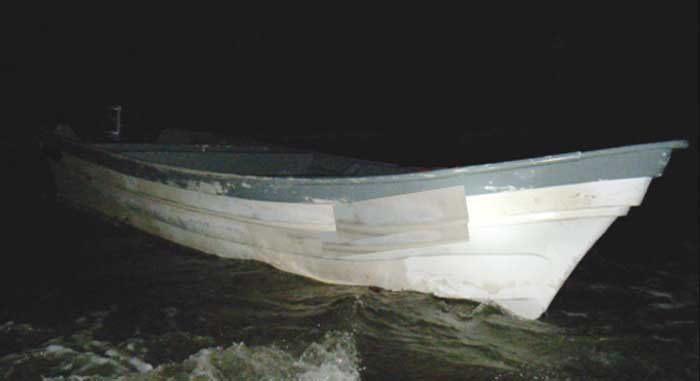
The U.S. Border Patrol is guarding against illegal immigration and drug smuggling by land and by sea. And Bird Rock residents are relieved. The La Jolla community was updated on human and drug smuggling interdiction efforts in their area by the Border Patrol at Bird Rock Community Council’s (BRCC) May meeting. Following the meeting, BRCC’s current and immediate past presidents, Joe Parker and Joe LaCava, reacted to the looming threat of maritime crime. “The community’s interest was certainly piqued by explanation of what’s going on along our shores,” said Parker. “The impression I got from the speakers is that panga (fishing) boat activity is on the rise in La Jolla, and Bird Rock is a potential target.” “Bird Rock is concerned any time crime comes into or through our community,” LaCava wrote in an email. “We appreciate the vigilance of law enforcement at the local, state and federal levels, not only to stem the flow of drugs but to prevent the too-frequent human tragedy associated with smuggling via the ocean.” The occasional helicopter noise in the wee hours of the morning “is a good reminder that our coastline is being monitored,” added LaCava. Marine drug and human smuggling activity is on the rise and the Border Patrol is taking effective action to counteract it, said Border Patrol spokesman Michael Jimenez. Noting criminal smuggling organizations are using “more creative and dangerous methods of bringing people into the country,” Jimenez said the Border Patrol has joined with other area law enforcement agencies. He said that association, which includes Immigration and Customs Enforcement (ICE), the Coast Guard and Harbor Patrol merging in a united front against maritime criminal incursions, is known as the Regional Coordinating Mechanism Patrol (RCMP). “What this did was help us strategize for these entries, help us to distribute manpower and technology more evenly along the coastline,” Jimenez said, noting the multiple-agency effort allows agencies to coordinate “who’s going where.” Statistics reflect a growing need for marine law enforcement by border agencies. In 2008, Jimenez said the Border Patrol had 45 maritime “events” — incidents of human/drug smuggling — with 230 apprehensions (of individuals) and 33 seizures (boats and other property) with zero deaths. That number had risen three years later in 2011 to 183 events, 631 apprehensions, 132 seizures and one death, Jimenez said. He added fiscal year 2012 totals, which began Oct. 1, to date are 115 events, 457 apprehensions, 65 seizures and 2 deaths. In the cat-and-mouse game of border interdiction, Jimenez said patterns of interdiction — and smuggling — are constantly changing. “Mexican panga fishing boats with a single outboard motor loaded with up to 25 people were being launched from small fishing villages closer to Ensenada, like Rosarita,” he said. “As we’ve become more successful in apprehending them (in San Diego), we’ve seen these boats going further north into Orange, Los Angeles and Ventura counties.” Smuggling by small boat is a very dangerous method for occupants who can be let off before reaching shore where they may drown due to stormy conditions or rip currents, said Jimenez, who added newer methods of covert ocean transport are being tried. “We’re seeing more frequent use of new tactics,” he said. “[We’re seeing] personal watercraft like jet skis, getting one, two or three people across in smaller events.” Parker of BRCC said the community is appreciative of the Border Patrol’s efforts to keep them apprised of maritime criminal activities, and asking for their participation in becoming watchdogs. “We tell people to be aware of suspicious-looking activity, boats traveling at night with no lights, or boats riding low in the water that may have some hidden cargo,” Jimenez said. To report suspicious boat activity, call 1 (800) 854-9834.


