


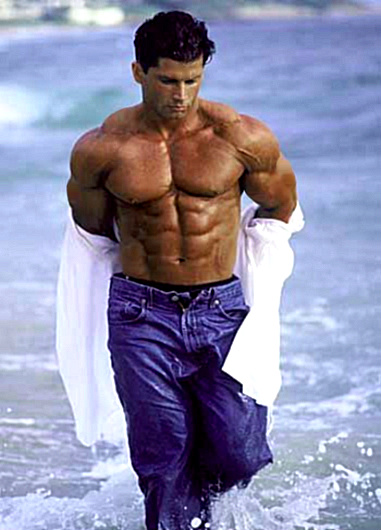
Scott Markey | Guest Columnist

Q: I have a demanding job. How do I find the time and energy to get in shape?
A: Time is easy. Just pick an hour when you focus on something more important than you health. That’s pretty much any hour, right? Use that time for exercise and reorganize your life around it.
Energy takes care of itself once you start eating five or six small meals a day, cut out junk and alcohol, and structuring your life around that hour of exercise. You will sleep better, feel better, shed fat, build muscle and have more energy than ever before.
Q: If I have only had a few hours of sleep, should I force myself to go to the gym, or skip it?
A: Take a pass. You don’t need the added stress of a workout. Stress is cumulative – whether it is put on your body through training or by the demands of your work and relationships. Remember, the goal of training should be to optimize health over a lifetime. Elite bodies aren’t built in a day.
Manage your workouts based on a long-term perspective.
Q: I am relatively new at working out, and I use machines at the gym because I haven’t been able to find a workout partner. What can I do to achieve better results?
A: For starters, try workouts with free weights. If you’re worried about not having a spotter, use dumbbells for exercises, like bench presses and squats.
Machines serve their purpose, and are great for changing things up, or working around an injury, but the best muscle builders you can do are squats and dead-lifts, and no machine I’ve seen truly simulates these exercises the way free weights do. Free weights are the mainstay of my training.
Q: What is the fastest way to stop sweating and cool down after a workout?
A: A cold shower works wonders, but for some it’s just too much. If you want to avoid stains after your lunchtime workout, or before you get ready for a date or function, you need to lower your exercise–elevated core body temperature.
Try this: Run your wrists under cold water for a minute or two. This helps cool the blood that’s close to the skin’s surface. The blood circulates through your body and voila, you no longer need to sweat! Dipping your feet in a pool works well, too. So does jumping in.
Q: Is it bad to workout with sore muscles?
A: Soreness can be a normal workout side effect – or a sign that you have an injury. A good lifting session “hurts” a little, but that’s normal as your muscles are actually being torn down, so they can grow bigger and stronger. I would advise to wait until the soreness subsides before training that muscle group again. Generally, three to four days for smaller ancillary muscles, and five to seven days for your larger muscle groups (i.e. back, legs, chest). Remember, proper recovery is the key to muscle growth and body fat loss.
Q: Is it OK to do push-ups and sit-ups at home on days I don’t go to the gym?
A: If done correctly and with proper form, then yes, but chest and abs are commonly overworked. Get some light dumbbells for home and work on your shoulders and arms instead. Save the harder stuff for the gym. I have always stated that you should not do exercises at the gym that you can do at. As for cardio, you can actually do that anywhere. So train smart – listen to your body, as well as learn it – and you will achieve your goals.
Fit Fact: Training and or working out helps, whether you can see it or not. In one test, researchers studied 742 people on a 20-week program and found that almost all improved their fitness levels and lowered their risk of disease, diabetes, bad cholesterol, blood pressure, and risk for stroke and heart attack.
Take your time. Remember always, baby steps and you will succeed!
Scott Markey has over 25 years in the Fitness and Health industry. He has graced dozens of magazines covers, and specializes in physique management, training, and nutritional consultation. You can reach him at [email protected].


